Learn
The system, in order.
Essays in the order they build: the discipline and its history, the pair at its base and the figures it is drawn with, the phases it reasons in, the compass methods, and what can be said for any of it. Read them in sequence, or take a reading path.
- 01 What is feng shui? A two-thousand-year-old discipline for placing buildings and people in relation to land, light and direction, and a modern vocabulary for reading rooms. Both are real; they are not the same thing. Where the name comes from, what a reading actually consists of, the three layers the practice is made of, what it is not, and how to begin with the room you are sitting in. 15 min

- 02 Understanding the Bagua Eight figures of three lines each, arranged in a ring and in a square. Where the trigrams come from and what the Book of Changes hangs on them, the two arrangements and who drew them, what Leibniz saw in the older one, the grid the tradition lays over a floor plan, and the two ways of laying it that give different answers. 14 min
- 03 The Five Elements Wood, Fire, Earth, Metal, Water. Not substances but phases, each producing the next and restraining the one beyond. Where the system came from and how old it is, the two cycles the tradition uses and the two it leaves to medicine, the vocabulary it gives shape, colour, material and direction, the hills it was first read in, how a room is diagnosed before anything is added, and what the colour research does and does not support. 11 min
- 04 A history of feng shui Two thousand years of siting practice, one century of prohibition and forty years of paperback simplification. Where the discipline came from, what it was for, and how it reached your living room. 11 min
- 05 The texts What the tradition actually wrote down, and when. The burial classic and its three sections, the house-siting classics and the canon that kept one of them, the manuals of the compass schools, the shelf the imperial librarians put them all on and what they wrote beside it, the Western accounts, and the paperbacks, with what each is good for and what it cannot be asked to say. 12 min
- 06 Feng shui and religion Is feng shui a religion? It is not, and it has never lived anywhere else. What the imperial bibliographies filed it under and why that was a verdict; the Confucian rite that sent the mourners to a geomancer; the Buddhist monastery and the Daoist temple sited by the same sentence as a farmhouse; the court that kept geomancers on the calendar staff; the missionaries who found it in their way, the reformers who listed it as superstition and the revolution that burned the compasses; and the government that pays for it today. 14 min

- 07 The yin house Feng shui was a way of siting graves before it was a way of arranging rooms. The burial texts and the site they describe; the five things a geomancer read, in order; the belief that a good grave feeds the living; the lineages that fought over hills and the officials who tried to stop them; the tomb built as a valley in miniature; and what the tradition carried across from the dead to the living when it turned to houses. 15 min
- 08 The household gods The house the tradition read was also a house with gods in it, and the two were arranged together. Who the gods of a Chinese household are, the door gods on the leaves, the Kitchen God above the stove, the earth lord at the floor, the heaven official at the post, the ancestors on the shelf and the bed mother at the child’s bed; where each stands and why; the altar’s own feng shui, in heights; what the anthropologists found the gods were for; and what a house without gods keeps of the arrangement. 14 min
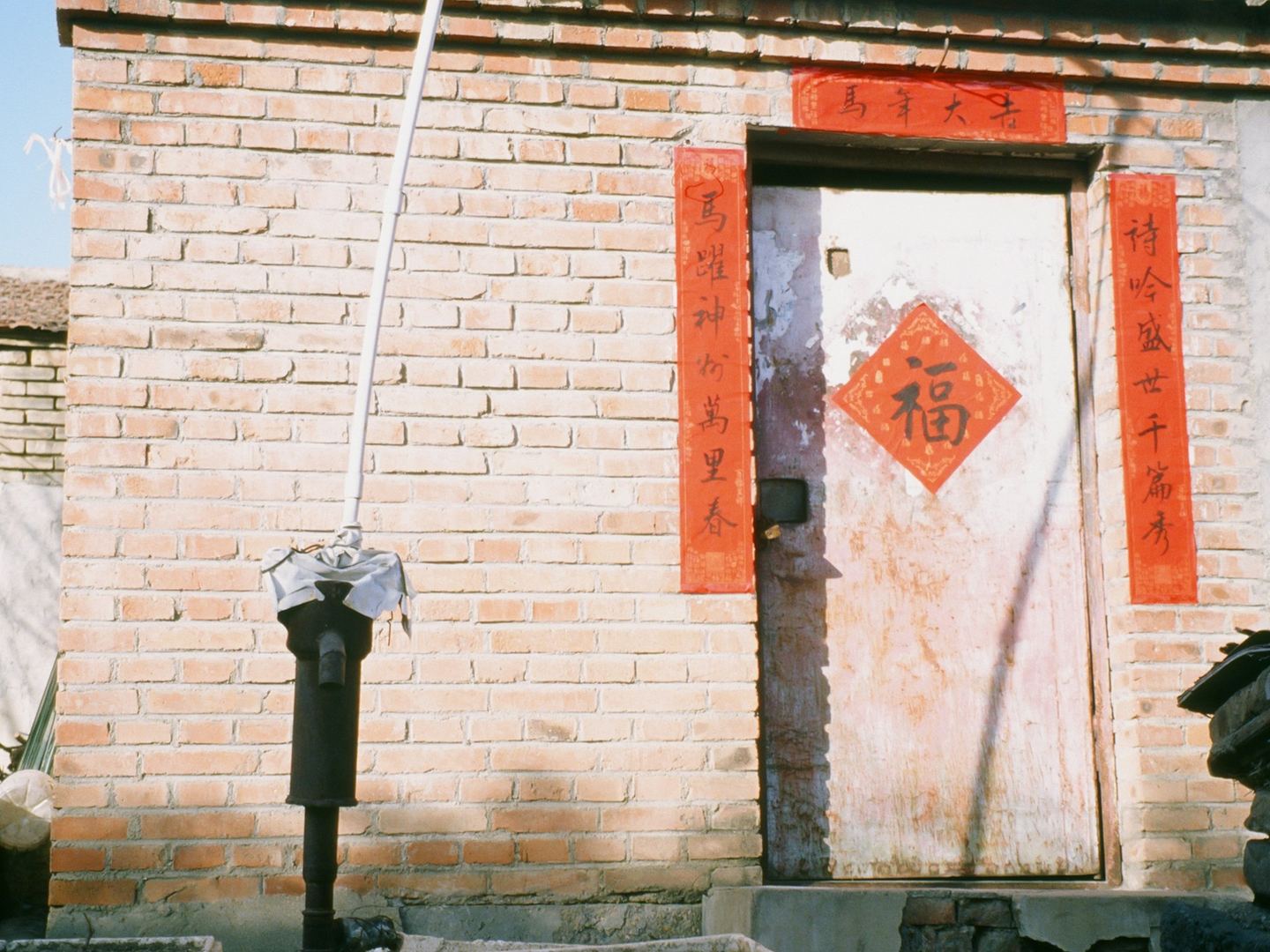
- 09 The furniture of the tradition The rules of feng shui were written for rooms furnished in a particular way, and the furniture explains the rules. How the Chinese came down from the mat and up onto the chair, and what that did to every height in the house; the six pieces the manuals assume, the canopy bed, the heated bed, the screen, the altar table, the horseshoe chair and the square table for eight; the wall of honour of the hall with its scroll and its two armchairs; and what each piece taught the site’s guides. 14 min
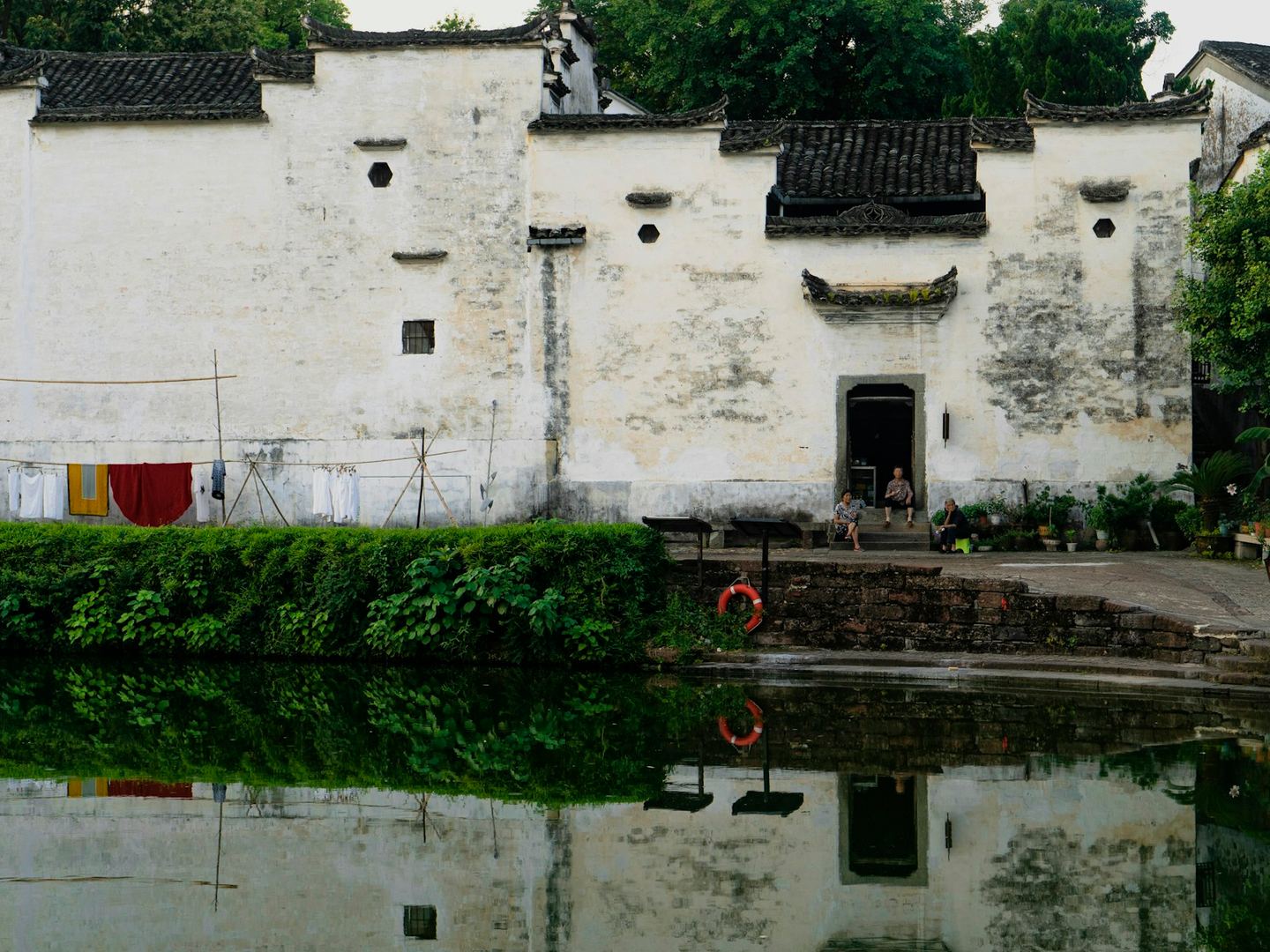
- 10 The houses the manuals were written for The yang-house texts assume a house, and it is not the reader’s. The Beijing courtyard house room by room, the gate in the south-east, the screen, the hall facing south and the wings by generation; the sky-well house of the south with its four waters returning to the hall; the earth buildings of Fujian and the sunken courts of the loess; what each form built of the tradition’s sentence; and what the modern flat kept of the plan and what it lost. 14 min
- 11 The shophouse The house the tradition built when it went to the coast and the colonies, a lot five metres wide and thirty deep with a shop at the street and the family behind and above; the five-foot way, the air well and the sequence of rooms along one axis, which is the courtyard house stood on end; how the manuals read a house with no sides; what the section does for the air, measured; and what a household living over a shop today takes from it. 13 min

- 12 Feng shui beyond China Where the tradition went, and what it became there. Korea’s pungsu sited a capital and argued about which way the palace should face; Japan’s court kept a calendar of closed directions and its house-reading kept the demon gate; Vietnam’s last dynasty built a citadel and its tombs to the Form School’s plan; the cities of the diaspora kept the practice alive and made it commercial; the West met it in a missionary’s pamphlet and again in a paperback. 11 min
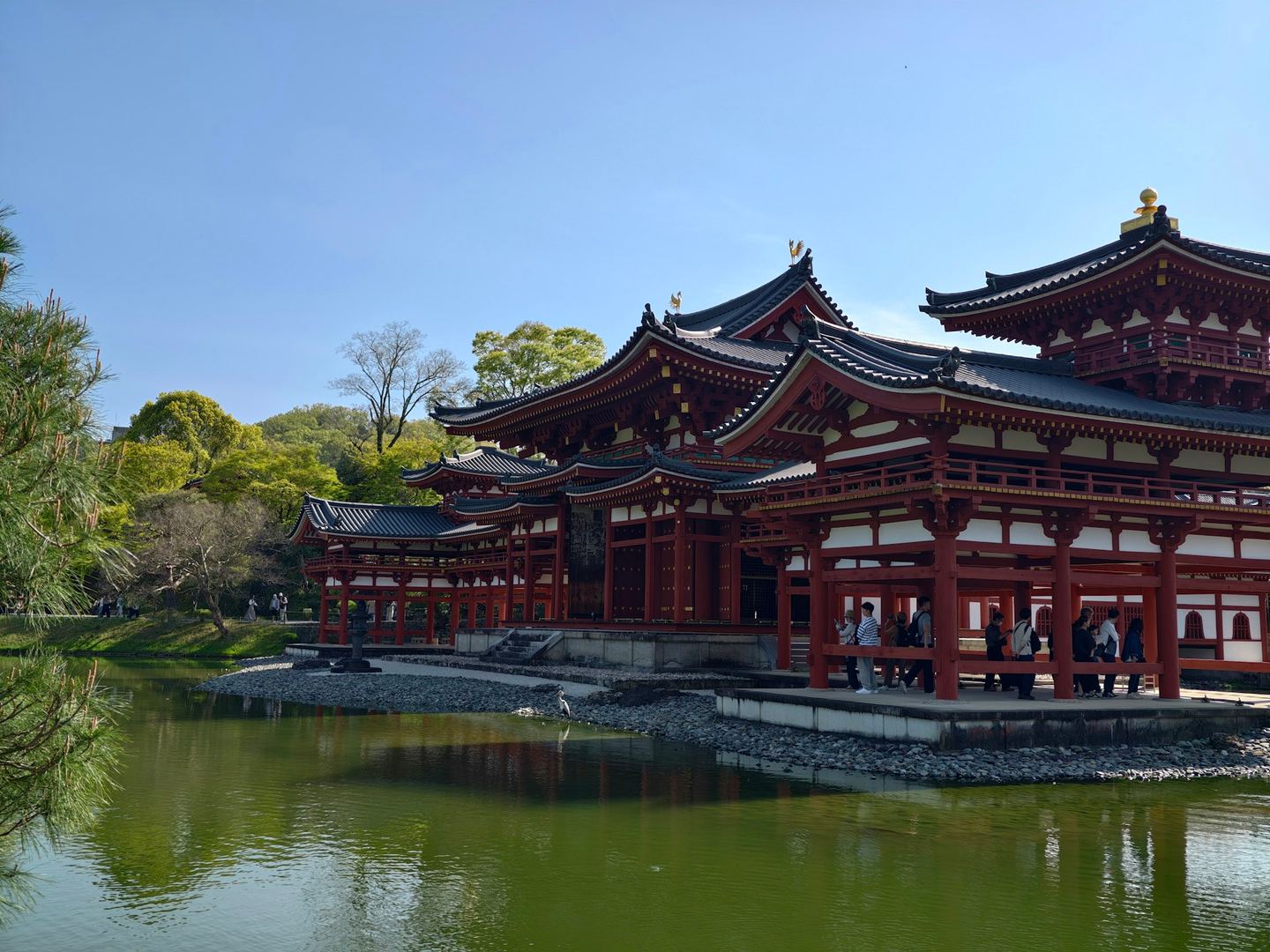
- 13 Siting elsewhere Every building culture wrote down how to choose a site and turn a house, and feng shui is the one the West learned the word for. The sand divination the word geomancy really meant and how the missionaries misapplied it; the vastu of India, a man lying in a square with a deity at every corner; Vitruvius on the healthy site, the winds and the rooms by their aspect, written in Rome before Christ; what the three traditions agree on, which is most of the sensible part; and what only the Chinese one did. 14 min
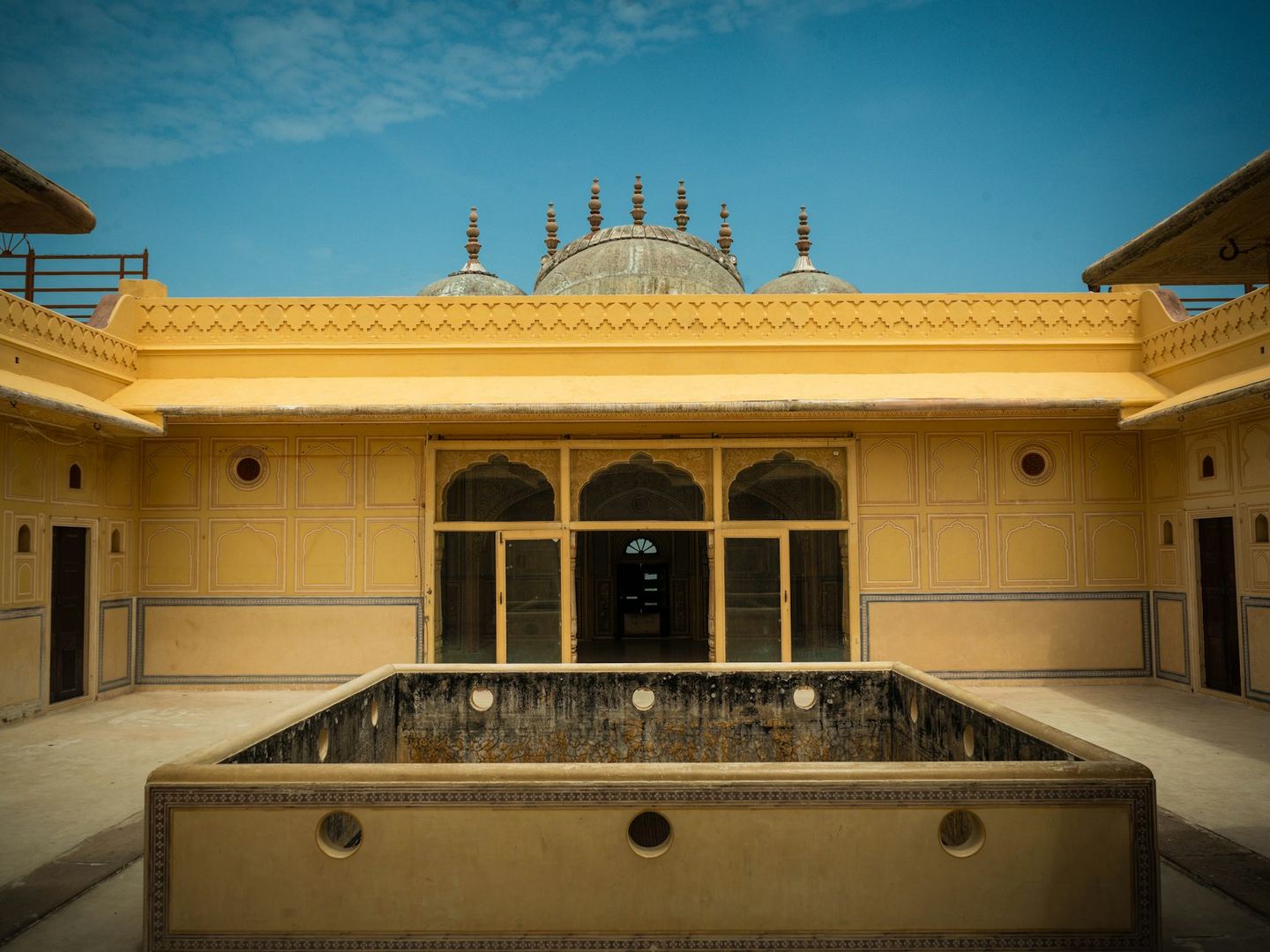
- 14 The garden The Chinese garden is feng shui made for pleasure. The manual the garden makers wrote in 1631 and what it says instead of a compass; the scholar’s garden read as a site, mountain behind and water in front, the approach turned and the view held; the six devices, suiting the ground, borrowing the view, the false mountain, the pond, the winding path and the leak window; what the garden owners actually grew; and what a balcony and a bowl of water can keep of it. 15 min
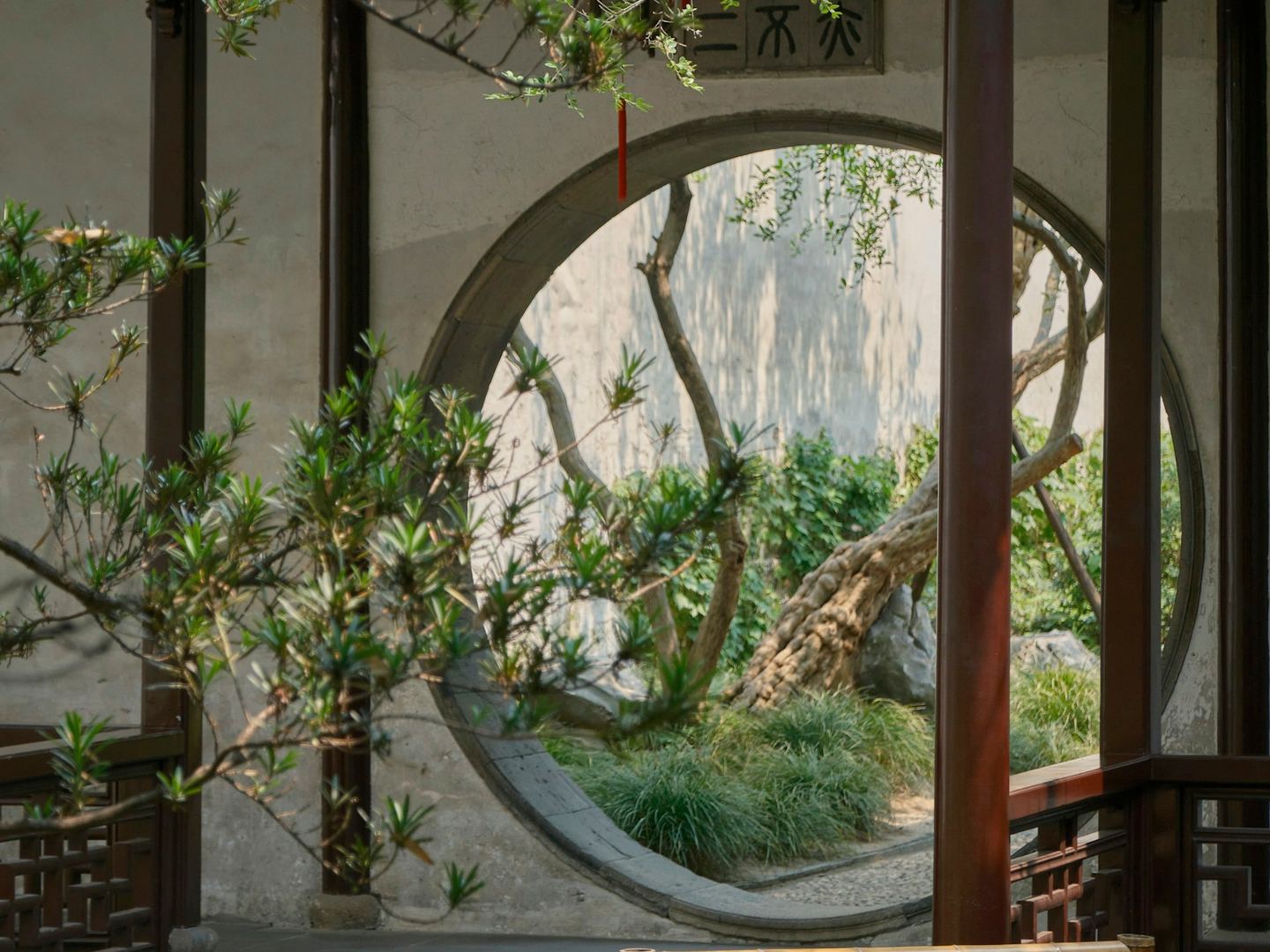
- 15 Feng shui in the city The tradition was written for hills and it is practised, today, mostly in towers. How Hong Kong read its two banks and the block built between them; the holes left through buildings for the dragon; the theme park whose gate was turned twelve degrees; the compensation a government pays for a disturbed hillside; what the city’s reading has in common with the planner’s view corridors and wind paths; and which of the famous stories are true. 15 min

- 16 Qi, and what the word does Feng shui’s central term is not a substance, a field or a force. It is a way of describing how a place behaves. What the character shows, what the philosophers and the physicians made of it, what the Zangshu’s three sentences actually say, what the tradition claims and does not, and how to use the word without pretending it is physics. 12 min
- 17 The body and the house Feng shui speaks the language of Chinese medicine, and the medicine spoke it first. Qi, the channels and the points, wind as the thing that scatters; the one table of five phases that sorts organs and rooms alike; why the Book of Burial calls the site a xue, which is the physician’s word for a point; what the physicians read in a pulse and the geomancers in a hill; and where the shared vocabulary stops being a shared claim. 14 min
- 18 Yin and yang in a room The oldest pair in Chinese thought, brought down to the scale of a house. The hill the words were named on, the texts that made them a cosmology and the late date of the diagram everyone knows, the gradient of a house and of a day, the end of a room that works and the end that rests, and what the sleep research says about each. 11 min
- 19 The schools of feng shui Form, Compass and the Black Sect. Three ways of reading a house that agree on the bedroom and disagree about where your wealth corner is, explained so that you can tell which one a book is using. Where the two classical schools came from and who named them, what each reads and with what, the modern graft and its date, and a test for any page. 12 min
- 20 The four animals The dragon, the bird, the tiger and the tortoise are the oldest thing in feng shui and the most misread. Where the four came from, in the Han sky and a Neolithic grave; how the Book of Burial brought them down to the hills round a site, and what shape it wanted each to take; the site seen from the side; what the practitioners made of them indoors, and which left is the dragon’s; and what the research on prospect and refuge says about the armchair they describe. 15 min

- 21 The dragon veins The Form School read the mountains of a continent as one tree. Kunlun as the ancestor of every hill and the three trunk dragons that run from it to the sea; how a vein is followed from the ancestor mountain through its passes to the lair; the nine star peaks by which a skyline is named, and which are lucky; what a living dragon is and a dead one; and what a geologist and a psychologist see in the same hill the geomancer calls a wolf. 14 min

- 22 The command position The oldest rule in domestic feng shui and the one every school shares. Solid behind, the door in view, out of its line. Where it comes from in the Book of Burial, what a seated person can actually see, how it places the bed, the desk, the main seat and the stove, what the research on seating says, and the order in which to give it up. 14 min
- 23 The water dragon On the plains there were no hills, and the tradition read the rivers instead. The Water Dragon Classic and the delta it was written for; the six forms of water read from a door, the jade belt and the reverse bow, the water that shoots, the water that leaves, the meeting and the pool; the water mouth that closes a site; what the river engineer says about the inside and the outside of a bend, which is the classic’s rule with the mechanism attached; and how the forms scale down to a road, a drive and a bowl. 13 min

- 24 Sha, the catalogue of faults The tradition names its faults. A road at the door, a road that curves away, a corner aimed at a window, the slit between two towers; inside, a door in line with a window, a beam over a bed, a wall’s edge, a stair at the entrance. What the names are, where the word comes from, what they have in common, how far each reaches, what the manuals do about them, and what the research can say at each range. 13 min
- 25 The remedies The tradition’s catalogue of cures is short, and it is made of building. What the manuals could change and what they told a household to leave; the six classical remedies, the spirit screen, the stone that dares, the bagua mirror, the pagoda at the water mouth, the half-moon pond and the door gods; the villages of the south that raised towers for their sons’ examinations; the lawsuits a neighbour’s roof could start; and how the shop’s catalogue of crystals and toads replaced a catalogue of walls. 13 min
- 26 The luopan and the twenty-four mountains The feng shui compass is a magnetic needle inside a stack of rings, and it is older than the mariner’s compass by a thousand years of texts. Where it came from, what the rings are and which one to read, why there are twenty-four sectors rather than eight, the three plates of the San He instrument and the two norths, and how a reading is taken and written down. 17 min

- 27 Choosing a day The tradition has a where and a when. The luopan answers the first; the almanac answers the second, and a household that has sited its house still asks it for the day to move in, to open the shop, to raise the roof or to bury. What the almanac is, the twelve officers that govern its days, the spirits that move round its year, what the practitioners use it for, and what a calendar can and cannot do. 13 min
- 28 The house through the year The tradition kept a house by the calendar as well as by the compass. The sun’s year in twenty-four terms and the moon’s in twelve months, the sweeping of the dust and the Kitchen God’s departure, the couplets and the door gods at New Year, the graves at Qingming, the herbs at the door in the fifth month, the moon in the eighth, the solstice; the house that changed with the seasons; and what the research says about the winter light. 14 min
- 29 The Lo Shu square Nine numbers in a grid, every line of which adds to fifteen. The figure behind the bagua map, the Flying Star charts and every practitioner who talks about “the one” or “the nine.” Where it came from and what the Han made of it, its companion the river chart, the path its numbers trace, the square in the mathematics of Song China and Renaissance Europe, and what it does when it is laid over a flat. 13 min
- 30 Numbers, floors and doors What the tradition counts and what it merely fears. The River Chart and the Lo Shu, odd numbers as yang and even as yin, the nine on the emperor’s door and the nails that told a rank; the four that sounds like death and the eight that sounds like wealth, the floors that towers leave out and what a number fetches at sale; the fourth of the month; and why a classical reading never asks your house number. 14 min

- 31 Eight Mansions The compass method most people meet first. A number from your year of birth, two groups of directions, eight names for the eight ways a bed or a desk can face, the Qing text it comes from and the trigram families behind it, the whole table on one sheet, a couple worked through, and the one problem the method does not solve. 14 min

- 32 The Four Pillars The reading a practitioner most often attaches to a house is not feng shui but astrology, and the two share every part. The stems and branches that name the years, the months, the days and the hours; the chart of eight characters, its day master and the element it is read as lacking; how that element becomes a colour on a wall; what the tradition’s own personal method, the kua, does instead; and what the research on birth years and the dragon’s children actually shows. 14 min
- 33 The twelve animals The zodiac everyone knows is one twelfth of the calendar and the part of it a house meets most often; the twelve branches as a clock, a calendar and a compass at once, the six clashes across the ring, the year’s animal and the three sectors the almanac asks a household to leave alone, computed for the next twelve years; where the animals came from and what they are not; and what a birth animal has to do with a bed, which is less than the paperbacks say and more than nothing. 13 min
- 34 Flying Stars: how a chart is built The Compass School’s method of time. Nine numbers, a period of twenty years, a facing direction, and a grid that claims to say where a house is strong this decade. How the chart is made, what it says, and what to make of it. 17 min
- 35 Twelve things feng shui does not say The claims most often attached to the tradition, where each of them comes from, and what the tradition says instead. For readers who have been told something with great confidence. 14 min
- 36 Evidence and feng shui What has actually been studied, what has not, and what the studies that exist can and cannot say about a tradition that was never designed to be tested. The site’s evidence label, explained at length. 12 min
- 37 Questions people ask Does it work, which way should the bed face, is my house bad, do I need a consultant, where is the wealth corner, can I do it in a rented flat, do the cures work, how do I find my facing direction, does the building’s age matter, is the balcony part of it, can it help me sell, are the air and the noise feng shui, which house were the rules written for, is it a religion, and where to start. Short answers, with the page that gives the long one. 14 min


Reference
- DirectionsThe eight sectors of the compass, with their trigrams, elements and hours.
- Five ElementsWood, Fire, Earth, Metal, Water: the vocabulary of shape, colour and material.
- Bagua explorerThe ring and the plan together, interactive, with a device compass on phones.
- GlossaryEvery term used on the site, defined once, with its origin.
- MethodologyHow we separate tradition, school, interpretation, design observation and evidence.
- SourcesThe bibliography: primary texts, scholarship, manuals and research, with how each is used.