Guides
One problem at a time.
Short, specific, drawn. Each guide takes a single arrangement the tradition has an opinion about, shows it in plan, and says what you can reasonably do about it this evening.
- 01 Bedroom Bed placement Three conditions, one plan. Where the bed goes is the oldest question in domestic feng shui and the one with the clearest answer, a wall behind the head, the door in view, the body out of the door’s line. Why each condition is there, what to give up first when a room cannot give all three, the four rooms that are not the drawing, the walls that are quiet and the walls that are not, and what the sleep research adds. 11 min
- 02 Bedroom The mirror facing the bed The tradition’s most repeated warning, and the one that survives translation best. What a mirror does to a bedroom, in plan and in section; where the rule comes from and what the folk reasons were; what a designer sees, what the sleep research can and cannot say; the television that is a mirror after dark; and what to do, in order of effort. 12 min
- 03 Bedroom Feng shui for better sleep Where a two-thousand-year-old tradition and forty years of sleep research say the same thing about a room, and where they don’t. The night as the body keeps it, ten arrangements with what the tradition says and what the laboratory has measured, and the order to do them in. 12 min
- 04 Entrance Front door feng shui The mouth of qi, in the tradition’s phrase, and the one place where every school starts. The gate of the courtyard house and the screen behind it, what the door should open onto and what should not face it, the approach outside, the carpenter’s ruler that sized the opening, and what the research on thresholds says. 12 min
- 05 Home office Desk placement The command position, sitting down. Where a desk goes decides what is behind you, what is in front of you and where the light falls, and the tradition has an answer for each. The scholar’s studio the answer comes from, the three conditions, which side the window goes for a person who writes, the desk’s own numbers, the four desks that are not in a study, and the order in which to give things up. 12 min
- 06 Living room Sofa placement The main seat is the command position for company. Where the sofa goes decides whether a living room is a place people face one another or a place they face the screen. The host’s seat the rule comes from, the three conditions, the circle and the distances at which it works, what stands behind a sofa that cannot have a wall, and where the screen goes. 13 min
- 07 Bedroom Beams and corners A beam over the bed is the complaint practitioners hear most often, and the one with the plainest explanation. What the tradition says about beams, blades and corners, the house of beams it was written in and the one beam it honoured, the remedies in order with what each costs, the ceiling heights the codes and the research give, and where the perceptible case ends. 14 min
- 08 Compass Finding your facing direction The compass methods depend on one measurement, and most readings go wrong before any chart is drawn. How to decide which way a house faces, how to take the bearing and how to check it against the sun, what the phone in your hand does to the needle, the two norths and the angle between them, the three rings of the luopan and which one to read, and what to do when the answer falls on a line. 15 min
- 09 Bedroom A bed for two The bed placement rules, applied to a couple. Both sides open, both pillows seeing the door, the room widths that allow it and the bed sizes that do not, who takes the door side, the dragon and tiger sides the folk tradition assigns, the compass problem the schools never solved, and what the research on couples’ sleep says about all of it. 11 min
- 10 Site Choosing a home: reading the site What to look at from the street, at the door and on the plan when viewing a house or a flat, in the order the tradition looks. The five steps of a classical site reading, the plot shapes the manuals rank, the surveyor’s list beside the tradition’s, and which of its objections can be fixed after moving in. 12 min
- 11 Small spaces Small apartments and studios One room that has to be a house. How the tradition divides a small space by use and by light, the screen it used to do it, where the bed goes when there is no bedroom, the clearances a studio needs between its things, what to do with the kitchen in the living room, and what the tradition’s own smallest flats, in Hong Kong, make of the rules. 13 min
- 12 Light Lighting The tradition has more to say about light than about anything else in a room, because light is what yin and yang look like indoors. Where the lamps go and at what height, what colour the light should be and when, the window as the first lamp, the three layers a designer works in, the numbers the research gives for the evening, and a room-by-room list. 13 min
- 13 Colour Colour by element The five colour families the tradition gives the Five Elements, the directions the compass gives them, and how much of a room a colour should be allowed to decide. The five correct colours and the intermediate ones, the yellow that belonged to the emperor and the door that told your rank, what the research on colour actually finds, and why the finest tool in the system is the last to use. 14 min
- 14 Mirrors Mirrors The object feng shui writing is most excited by, and the tradition most careful with. What the mirror was in China before it was a cure, where a mirror helps a room and where every school says it should not go, what the research says a mirror does to the person in front of it, and the three kinds of bagua mirror and what each actually does to a line of sight. 11 min
- 15 Plants Plants The tradition’s living element, and where it goes. Which corners a plant should stand in and which it should not; the trees the old manuals placed around a house; what the manuals say about leaves; the plants the shops sell as luck and the three the classical eye admired; how much light a plant actually needs in the corner it is put in; and what the research says about air, attention and the view. 13 min
- 16 Water Water features Water is the tradition’s word for wealth and its most argued-over object. Where a pond, a fountain or a fish tank belongs and where it does not; the shapes of water the texts read, embracing and cutting; the pool behind the house that the manuals never saw; the damp and the sound water brings indoors; the fish and their numbers; and what water does in a room that the tradition never claims for it. 11 min

- 17 Windows Windows The tradition calls windows the eyes of the house and has fewer rules for them than the decorating press suggests, and better ones. The line from the door to the window, the seat under a window and the bed beneath one, the height of a sill, what a window looks at and the Ming gardener’s art of borrowing a view, light on two sides, and the case for opening it every morning. 15 min
- 18 Order Clutter and order The tradition’s oldest domestic rule and the one with the most evidence behind it. Why the manuals want the floor open, what counts as clutter and what does not, the five places it lands, the heights at which things should live, the paper that arrives at the door, and what the research on cluttered homes actually found. 13 min
- 19 Renting Rented homes What the tradition can do in a home whose walls, windows and kitchen belong to someone else. The two lists the manuals keep, the one a tenant has entire; what cannot be changed and what answers it; the tenant’s toolkit with its sizes; the order to unpack on the first day; and the case for spending only on what leaves in the van. 13 min
- 20 Work Workplaces The tradition applied to the office and the shop. The city where a bank’s escalators were set on a geomancer’s advice, the till the commercial manuals place and the one most shops have, the reception that sees the door, the desk with a wall behind it in an open plan, the corner office that has always meant one thing, and the meeting room’s host. What transfers from the house, and what the research on offices adds. 18 min
- 21 Art Art, images and objects What to hang and where. The tradition’s rule for pictures is the Form School’s site turned into a wall, something solid behind the seat and something with depth in front of it, and its rule for objects is shorter than the shops would like. The Ming wall that hung one scroll at a time, the gallery’s centre line, the subjects the manuals list, what the hospital studies found, and the short classical list of objects with the long modern one labelled as what it is. 11 min
- 22 Levels Levels, ceilings and floors The third dimension. The tradition reads a step down as a pool, a low ceiling as a beam, a loft as a hill and a basement as the ground itself. What it asks of houses on more than one level, and what the studies of ceiling height found. 18 min
- 23 Practice Feng shui in a day The order of work. Eight stations on one flat, from the front door inward, in the order the tradition reads a house and the order each decision constrains the next. What can be done between breakfast and dinner with a tape measure and a plan, the one page to write at the end of it, and what should not be attempted in a day at all. 14 min
- 24 Building Building and renovating The one time the tradition’s rules for a site, a plan and a door can still be followed rather than worked around. The order of decisions from the ground to the paint, what the tradition asks at each and what it costs to undo, the rites the builders kept, the days the almanac gives, and what a renovation can and cannot reach. 13 min
- 25 Sound Quiet The tradition’s still room, measured. What the manuals mean by stillness and what they keep out of a bedroom, the bells the temples hung and the chimes the shops sell, the house in decibels with the guidelines on it, a flat planned against its noise, and what the research on noise found in the children who lived under a flight path. 13 min

- 26 Moving Moving house The tradition moved house as a rite and the research describes it as a stressor, and both are right. The almanac’s day for entering a house, the stove and the rice pot that go in first, the bed settled on its own day and slept in that night, the door dressed, the meal with the door open; the old house left clean; the order in which to unpack a home so that the first night is a night; and what the studies of residential moves say about children and the first year. 13 min
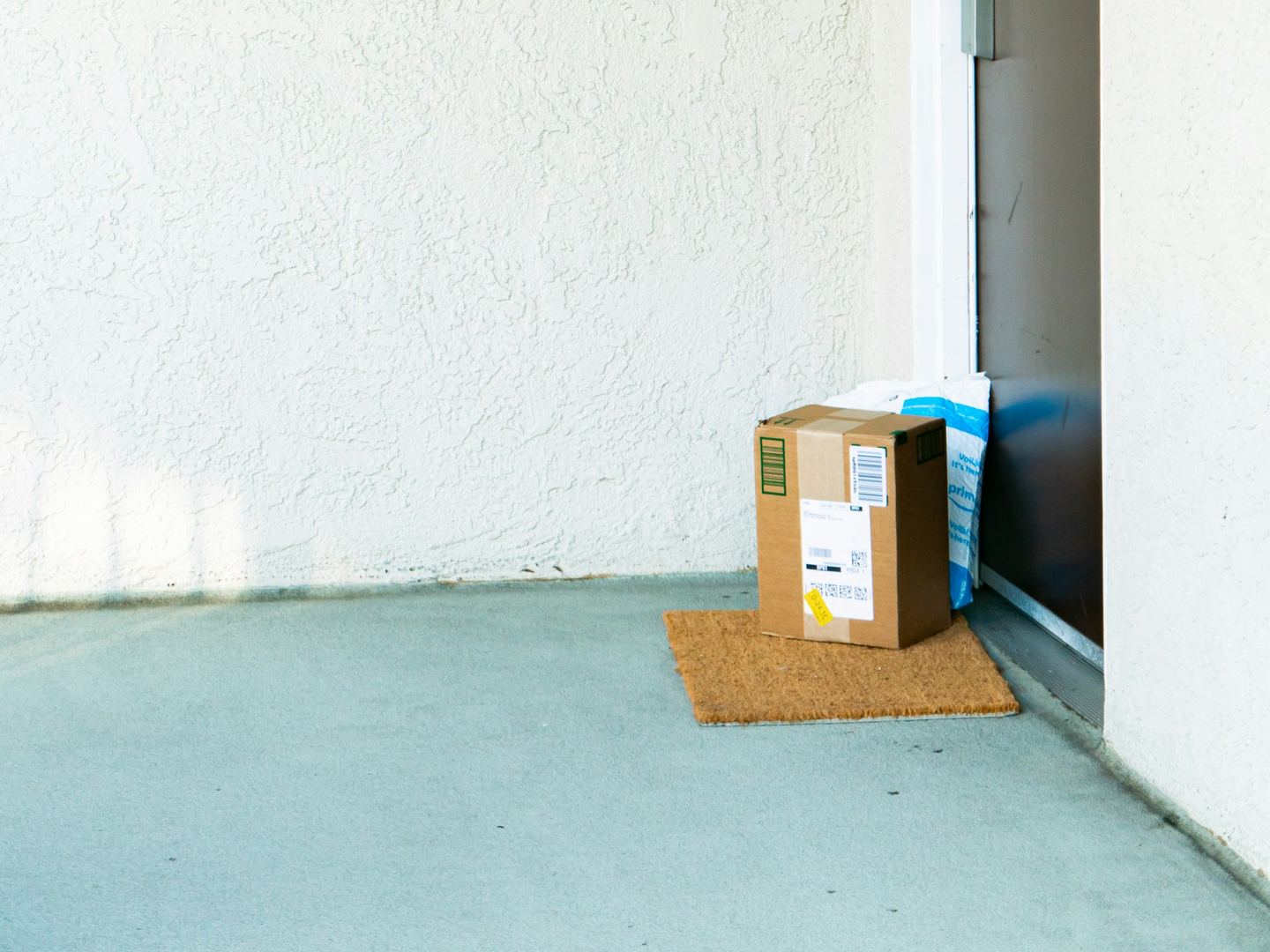
- 27 Flats Choosing a flat The tradition was written for houses on the ground and most of its readers now live in the air. What the classical reading makes of a tower, in the order a buyer meets it. The building’s site and shape, and whose facing a flat has; which floor, with the street, the trees and the wind banded in section; the floor plate read from the corridor, the lifts, the door opposite and the refuse room; the unit’s own shape and door; and what the research on high-rise living says about height, children and the view. 14 min
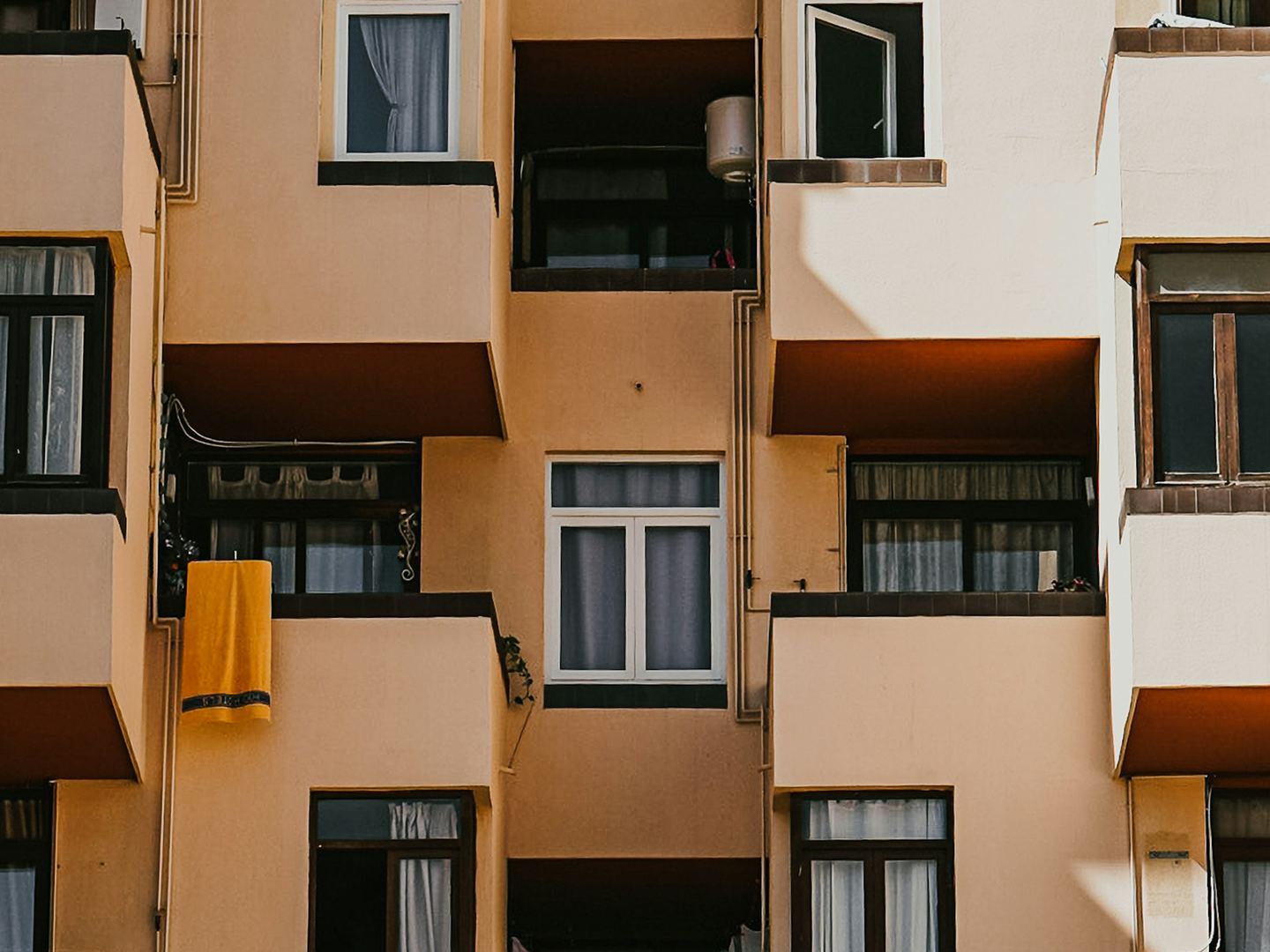
- 28 Consulting Hiring a practitioner What a classical consultation is and what it is not. Who the master was and how the villages paid them; the visit in the order it is done, the brief, the street, the compass on the threshold, the rooms and the written report; what a good report contains; the fees and the red packet; the six signs of a reading and the six of a sale; and what the evidence says a consultation can and cannot change. 14 min
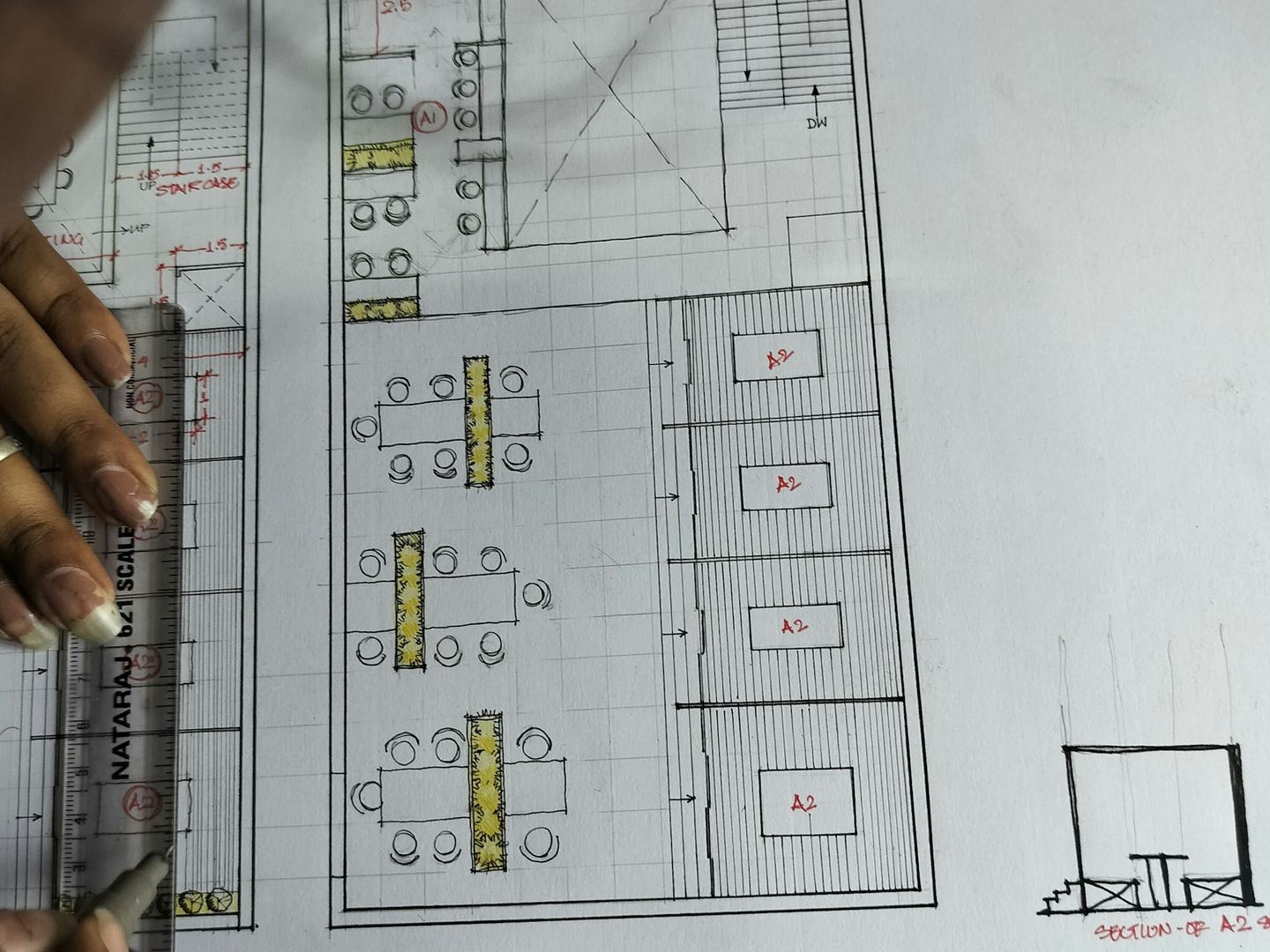
- 29 Later life The house for old age The tradition gave its elders the best room in the house and the research says why that was right. The principal hall of the courtyard house and who slept either side of it; what a room for later life asks that a younger room does not, the light doubled, the bed a hand higher, the stair with two rails, the threshold that is no threshold; the falls that the home causes and the modifications that prevent them; and what a designer adds to a tradition that kept its elders warm and near the sun. 15 min
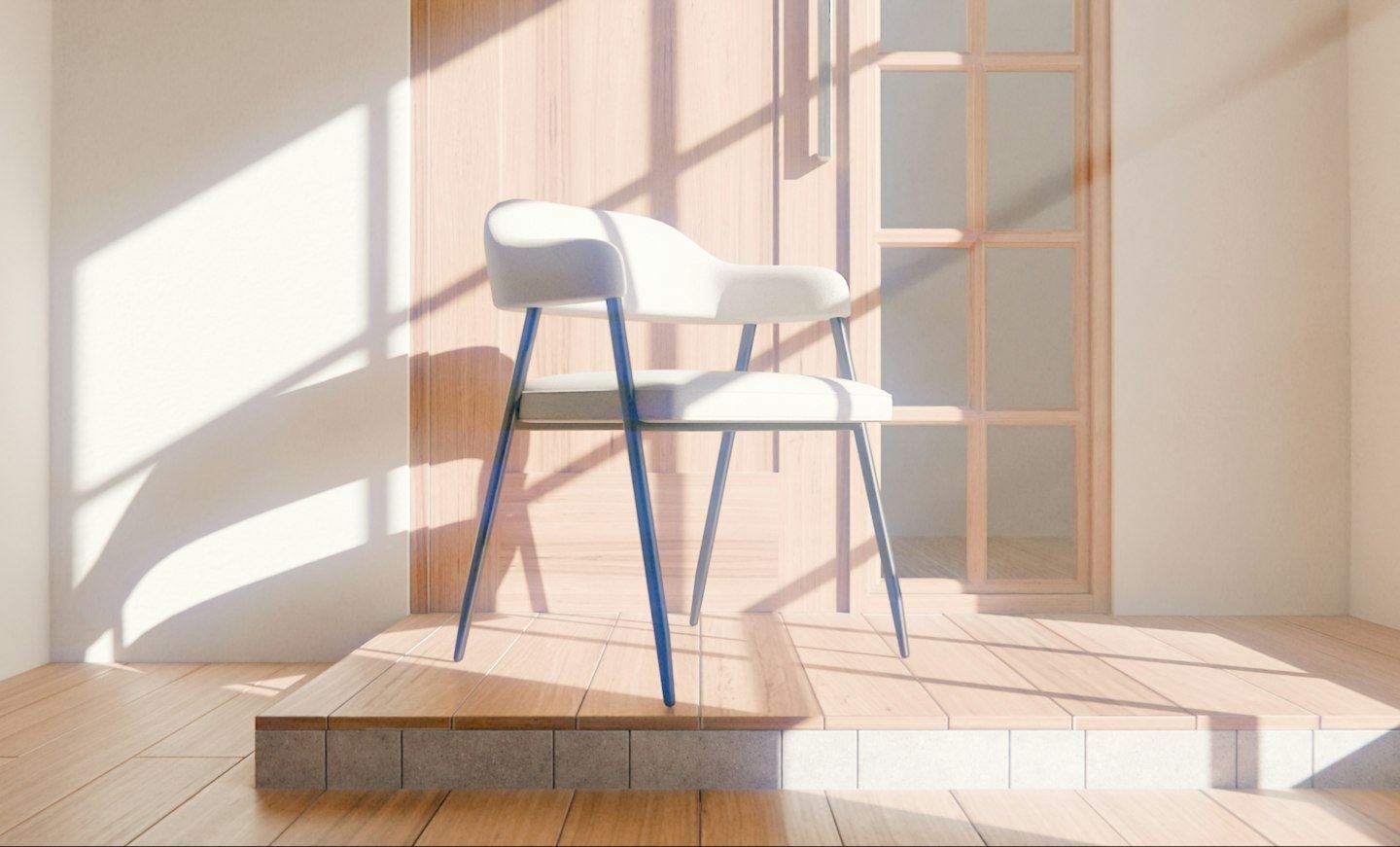
- 30 Garden Planting by direction The tradition planted a house as it sited one, with the four animals in trees. What the manuals want along each side of a plot, the evergreens to the north, the tall dragon to the east, the low tiger to the west and the open south; the tree that must not stand in the gate; the sayings about the mulberry, the willow, the poplar and the peach, and which are puns; the Ming garden’s borrowed view; and what the energy research says a tree on the west wall does. 13 min
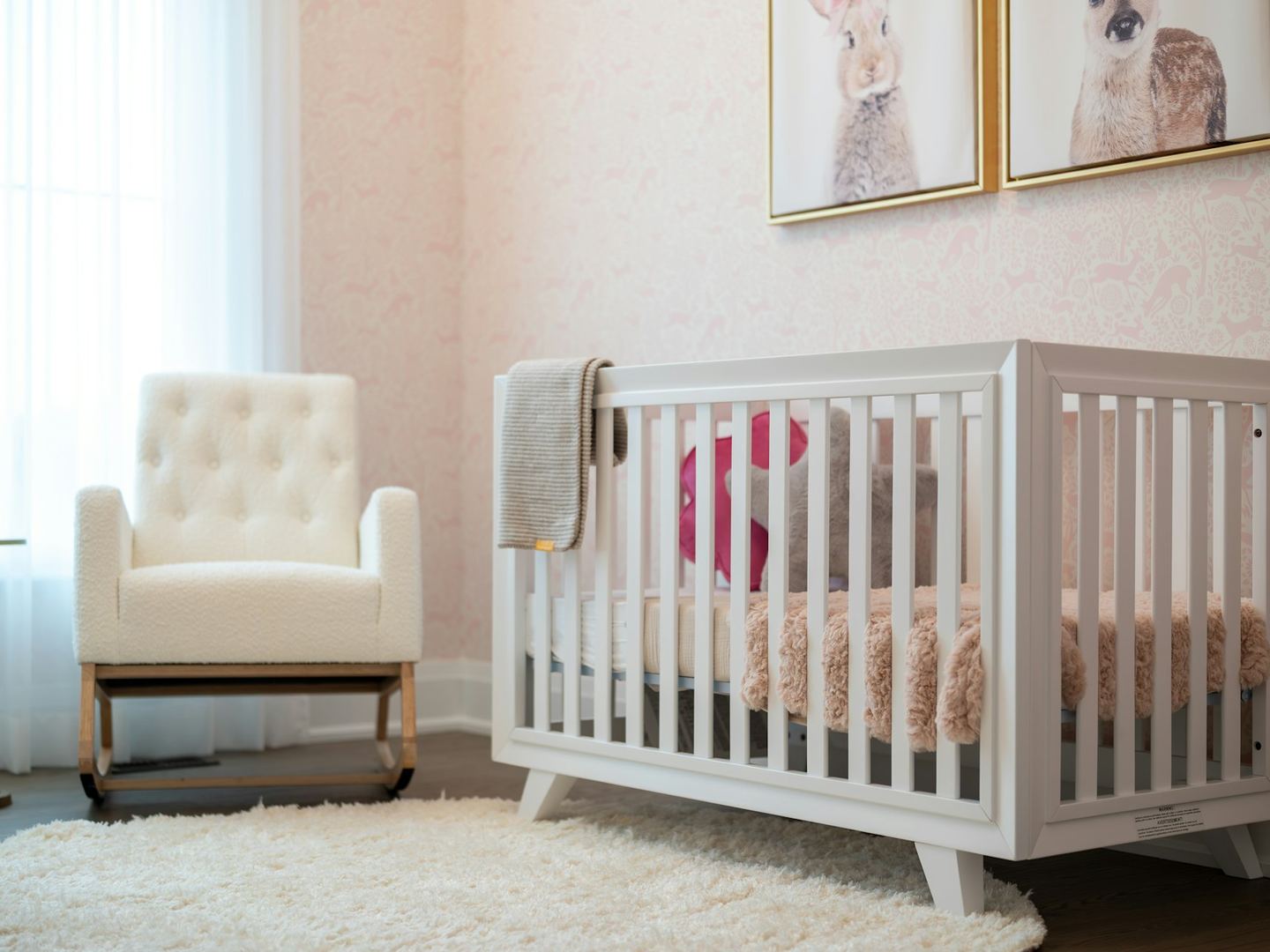
- 31 Baby The baby’s room The tradition’s first year and the paediatricians’ agree on the room and disagree on almost nothing else. The fetus spirit that stops a household drilling while a woman is expecting; the confinement month, its closed warm room and what the research makes of it; the bed mother and the cot she guards; where the cot goes, by the safe-sleep guidance and the command position; the first year’s rites, from the third-day bath to the choosing test; and the room a child grows out of. 14 min
- 32 Travel On the road The tradition’s traveller had an almanac and an inn, and the modern one has a hotel room and a clock that has been left behind. The almanac’s day for setting out and the direction not to travel; the first night in a strange room, which the brain keeps half awake, and what the tradition’s bed rules do about it; the ten minutes that make a hotel room the site’s room; light after a long flight, by the direction flown; and the house left behind. 14 min
- 33 Doors Doors inside the house The tradition read the front door as the mouth of the house and every door inside it as a smaller mouth, and most of what it says about them is about hinges. Which way a door should swing and why; the four faults of interior doors, the door that faces a door, the three in a line, the bedroom’s opposite the bathroom’s; how many doors a room can bear before it is a corridor; the sizes a door should have; what a closed door does to sound; and the one rule about the bathroom that is a smell and not a leak. 14 min
- 34 Fire Fire in the house The tradition gave fire a god, a wall and a set of rules, and the fire research gives it minutes. The stove as the house’s one fire and what the manuals asked of it; the Western hearth read as the wall of honour, the mantel as the altar table and the seats in an arc; candles, lamps and incense, and where the tradition put them; the element of Fire in a room, and the rooms it does not belong in; and what a closed bedroom door, a heat alarm and a clear route do with the minutes a fire allows. 14 min
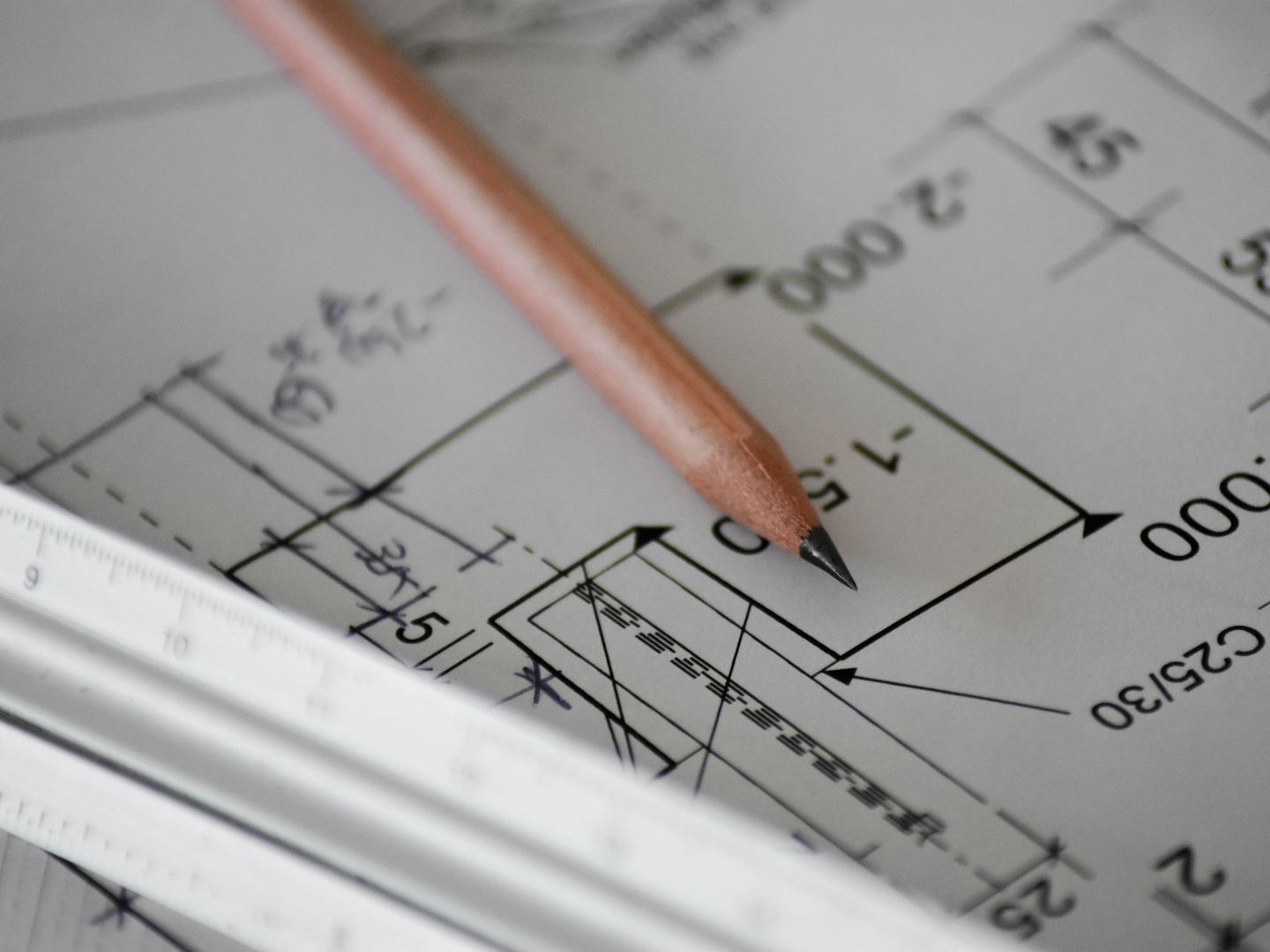
- 35 The plan Drawing your plan Every reading on this site begins with a plan, and most readers have never drawn one. How to measure a flat and draw it at one to fifty in an afternoon; how to take north at the door and put it on the paper; how to find the centre of a plan that is not a rectangle, three ways, and why the paperbacks’ way is wrong by a metre; how to divide the plan into its eight sectors; what to draw in ink and what in pencil; and the errors that make a reading wrong before it starts. 15 min
- 36 Air The air in the house Qi was breath before it was anything else, and the tradition’s word for a closed room was dead. What the manuals meant by living and dead qi; where the air stops in a flat, the room with one window and the bathroom with none; the two numbers a monitor gives, carbon dioxide and fine particles, and where the research sets the lines; the stove, the candle and the incense as the house’s own smoke; the plants that do not clean the air; and the morning window the tradition opened before it did anything else. 13 min
- 37 Selling Selling a house The tradition read a house as a record of the people who had lived in it, and a buyer in Hong Kong or Vancouver still does. What a house with a history is and how the market prices it; the buyer’s first ten minutes and the six faults their practitioner sees; the numbers, floors and dates that move a price and by how much; the afternoon of fixes that costs a screen; the leaving as the manuals kept it; and what the staging research says a buyer actually feels. 15 min
- 38 Recovery Recovering at home The tradition kept a room for the sick and the research has measured what the room does. The sickroom as the manuals arranged it, the bed to the heavenly doctor and the almanac’s days for physic; the seven things a room for a long illness needs, drawn on one plan; what a window onto trees did to forty-six patients in Pennsylvania and a sunny room to the depressed; the visitor’s chair, the table, the low light; and the one claim the tradition made about illness that the site does not. 12 min
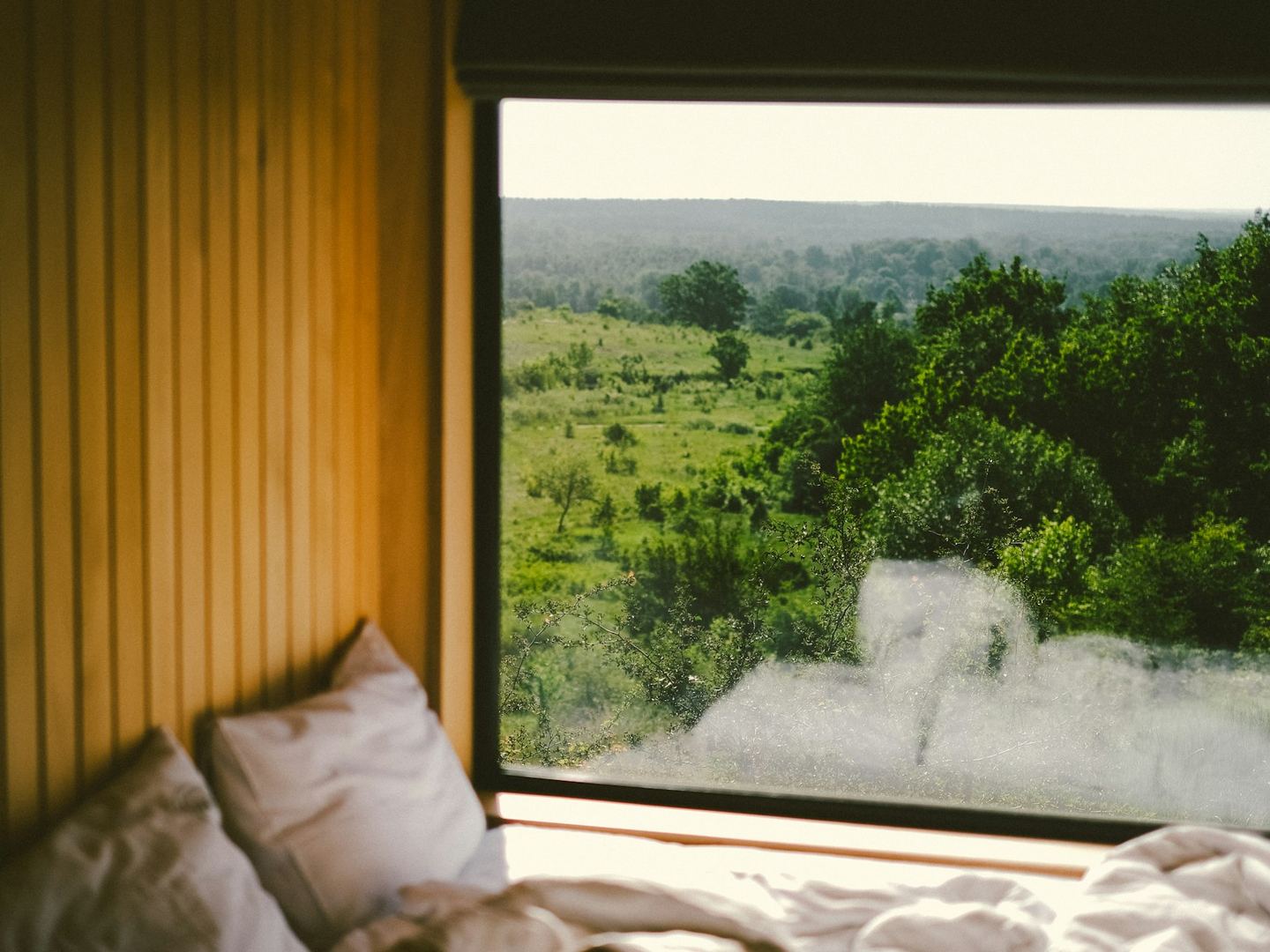
- 39 Reading A flat, read from start to finish Every essay on the site describes a piece of a reading; this guide does one whole. A corner flat on the seventh floor, two occupants born in 1979 and 1984, a balcony facing east at eighty-eight degrees, a block finished in 2025. The brief, the street, the door, the rooms, the compass, the kua of both, the Period 9 chart and what it says, the findings in order of weight, the remedies in order of cost, and the page the household is handed at the end. 12 min
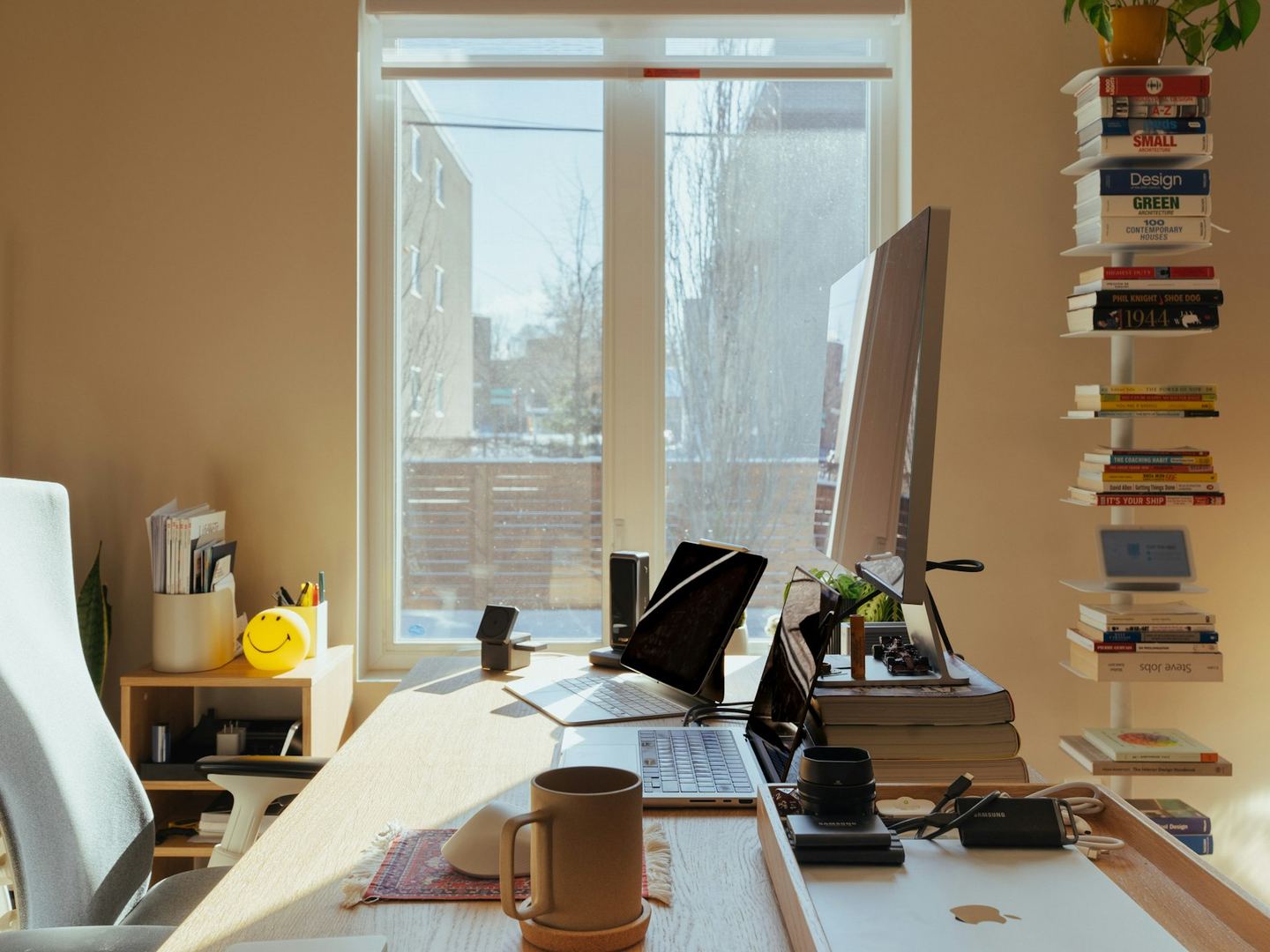
- 40 Study The student’s desk The tradition had a god for examinations and a position for the desk, and the research has measured the light and the noise a child works by. The scholar’s studio as the Ming connoisseurs kept it and the exam season as the households kept it; the desk with a wall behind and the window on the far side of the writing hand; the Wenchang position by the house and by the year of birth, computed, and what it is worth; daylight and reading scores, aircraft noise and comprehension; and a child’s room before and after an afternoon’s moving. 15 min
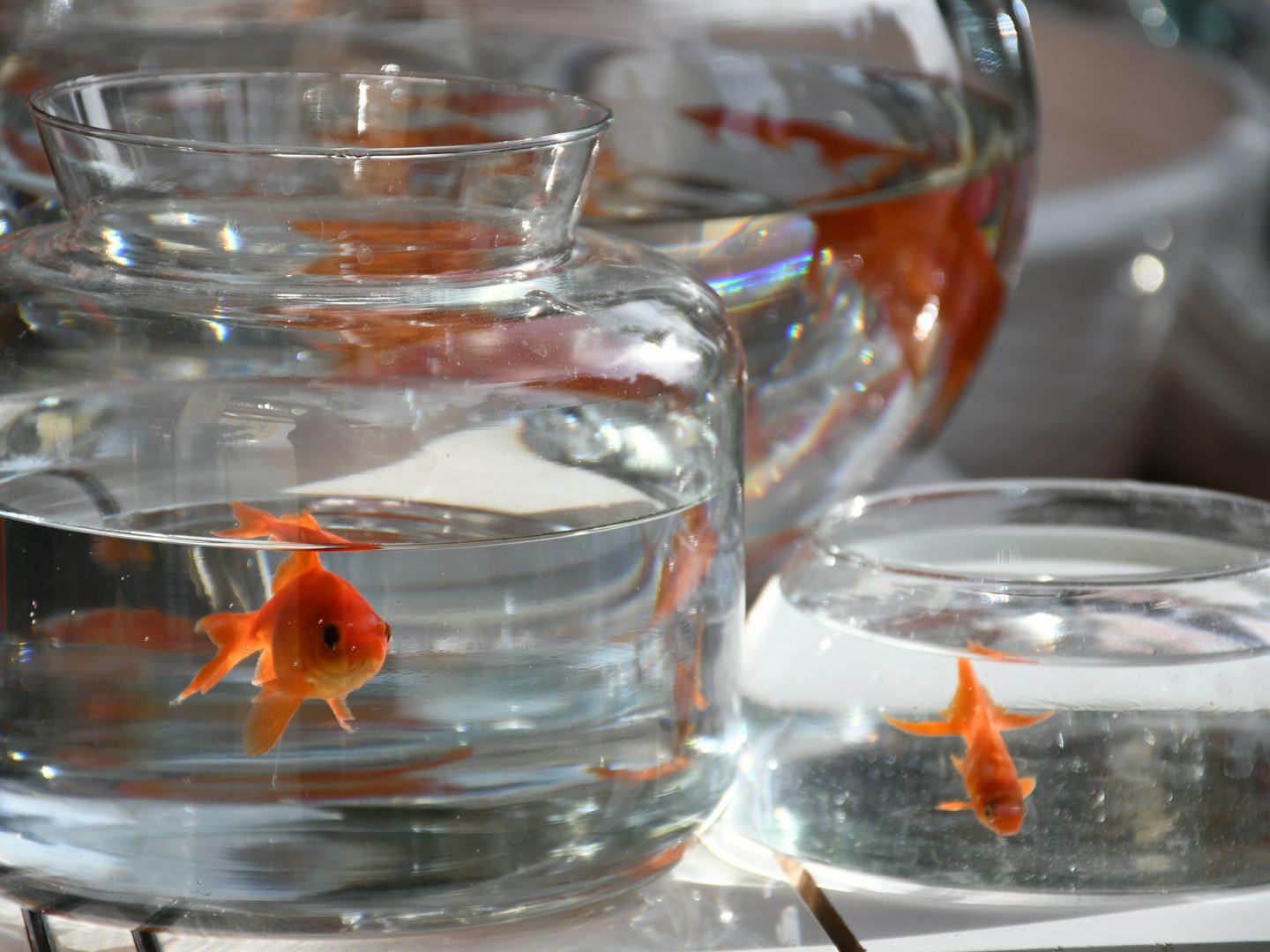
- 41 Animals Animals in the house The tradition kept fish for a pun, a tortoise for its years, a bird for the morning and a dog for the gate, and the research has since asked what an animal in a house is worth. The goldfish of the courtyard and the arowana of the office; the nine fish and the one black; the tortoise, the cranes and the caged bird; the dog that comes to the house and the cat the sayings mistrust; where each goes on a plan and where the manuals refuse them; and what four studies found a pet and a tank do to a heart, a blood pressure and a night’s sleep. 13 min
- 42 Mourning The house in mourning The tradition that began with graves had a rule for the house a death happened in, and the household kept it for a year. The white affairs against the red; the hall set for the wake, the coffin on the axis and the soul seat before it; the seven sevens, the hundredth day and the three years, with what the household did at each and did not do between; the geomancer’s two visits; what the rules kept a bereaved household from doing to its house, and what the stress research says they were right about. 15 min
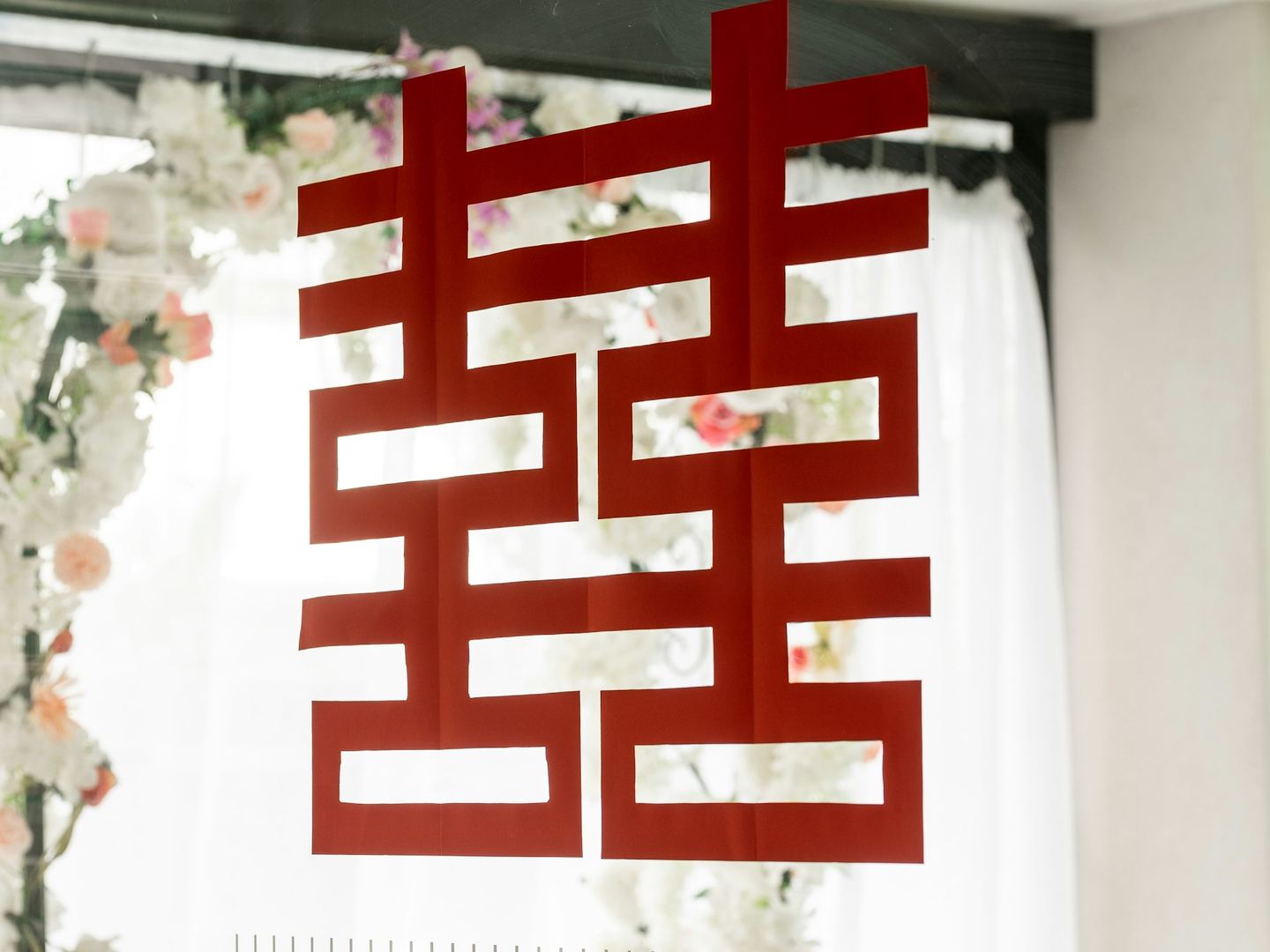
- 43 Wedding The house for a wedding The red affairs against the white. The tradition made a room, a bed and a day for a marriage and marked the house with a character; what the bridal chamber was and how it was set, the bed installed on its own day by a woman of good fortune, the double happiness on the gate, the threshold stepped over and the tea in the hall; what the two households asked a geomancer; the couple’s two kua and the bed that serves both; and what the wedding does to a house that the stress research measured. 12 min
- 44 Neighbours The neighbours The house next door is the part of a site nobody chooses, and the tradition had more to say about it than the paperbacks repeat; what the manuals read in a door that faces yours, a corner that points, a roof that overtops and a wall you share; the mirror war, how it starts and how it ends; what the noise and crowding research measured through the party wall; and the rule the tradition put before every cure, which was to screen and never to point. 13 min
- 45 House-share The shared flat A flat of three adults who are not a family is the house the tradition never wrote for and the one it had a plan for anyway; the compound divided among households, which Beijing called the big mixed courtyard; how to read a shared flat as three houses and a hall, each room set as a house is set and the kitchen kept as the hall; the door of a room as a front door; what the crowding research says the plan is for; and the two rules that keep a house-share from becoming a corridor of strangers. 15 min
- 46 Reading A house, read from start to finish The second worked reading, and the one the flat could not give, a two-storey house of ten by eight metres with a garden front and back, a family of four born in 1978, 1981, 2012 and 2015, a front door facing south-east at a hundred and thirty-four degrees, built in 2024. The street and the ground behind, the door, the stair and the rooms on both floors, the compass, the four kua, the Period 9 chart with its double star at the sitting and what the school asks for it, the garden, the findings in order of weight and the page at the end. 14 min
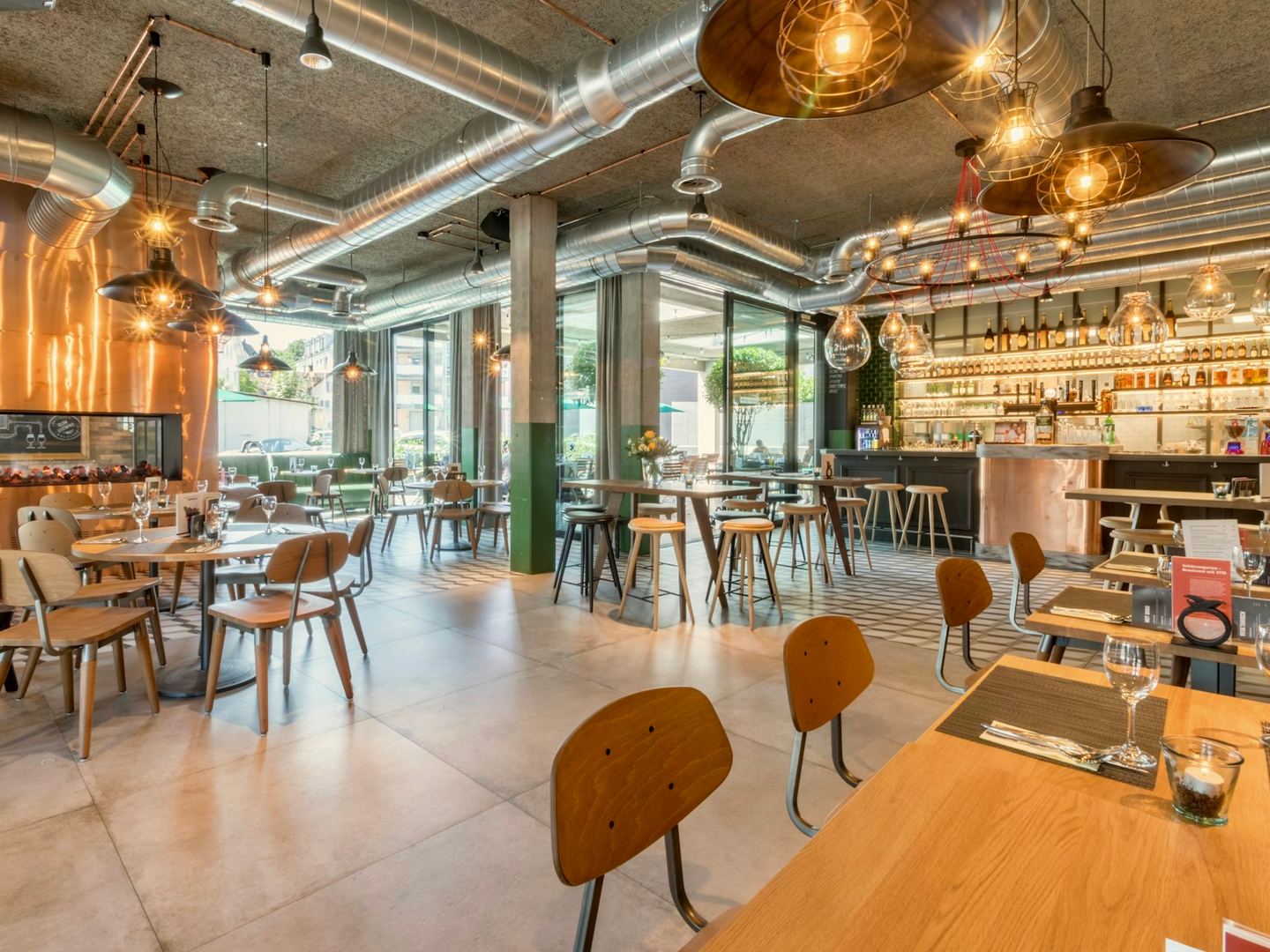
- 47 Restaurant The restaurant and the café The one workplace the tradition wrote most about after the shop, and the one the seating research has measured best; the teahouse and the eating house of the manuals, with the till, the stove, the god of wealth and the guest’s seat; which table a customer takes and why, ranked; the spacing and the stays the Cornell studies timed; the plan of a café read by both at once; and what an owner does with a room whose middle nobody wants to sit in. 13 min
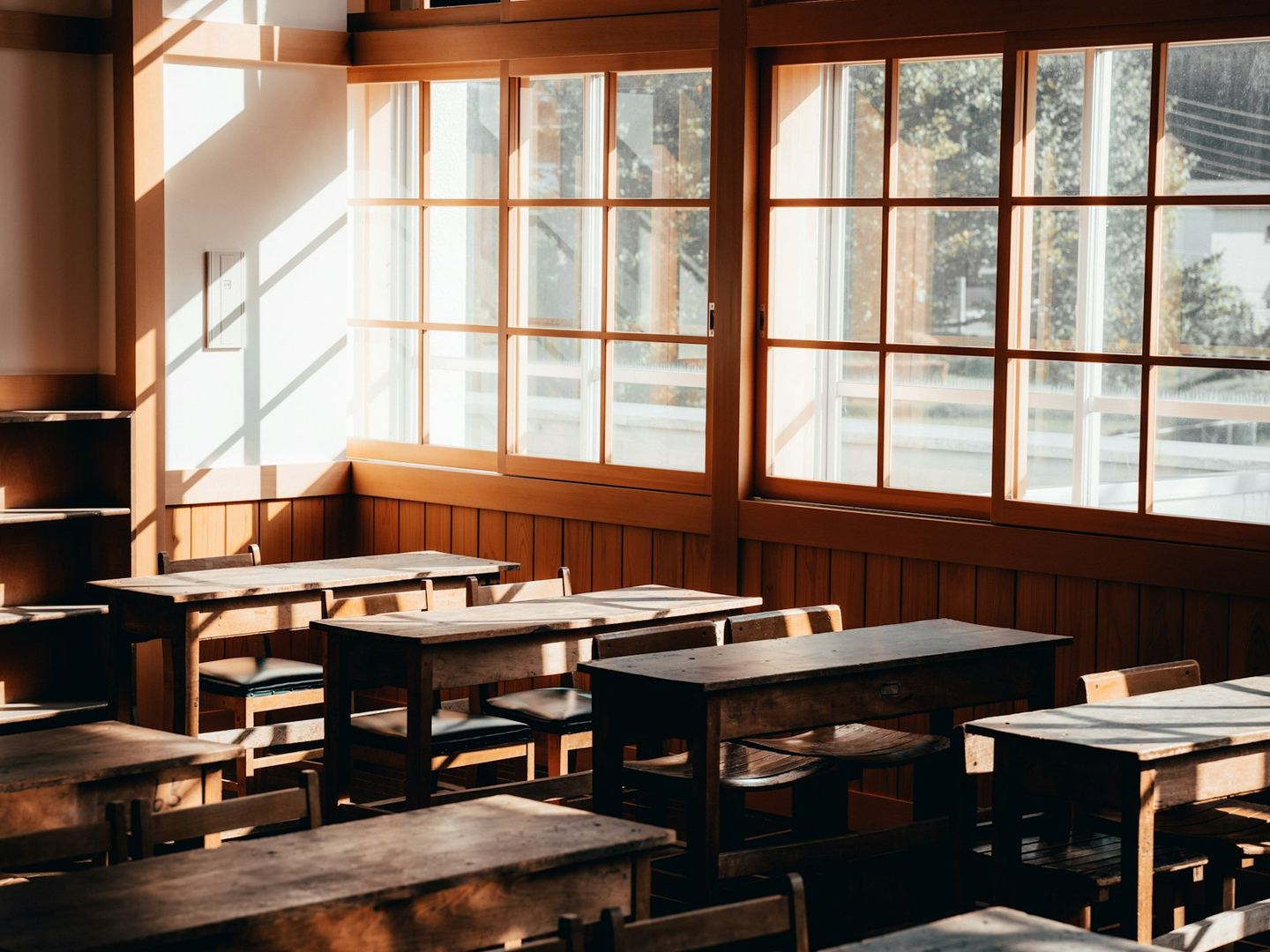
- 48 Classroom The classroom The room the tradition built for study before it built a desk, the academy on its axis with the master’s seat on the north wall and the library where the ground rises; the modern classroom read the same way, the windows on the pupils’ left, the teacher in command, the door at the front and the board across the light; what the classroom research found, the daylight study of twenty-one thousand pupils and the survey that put a sixth of a year’s progress down to the room; and the seat in the middle of the front rows that asks the questions. 12 min
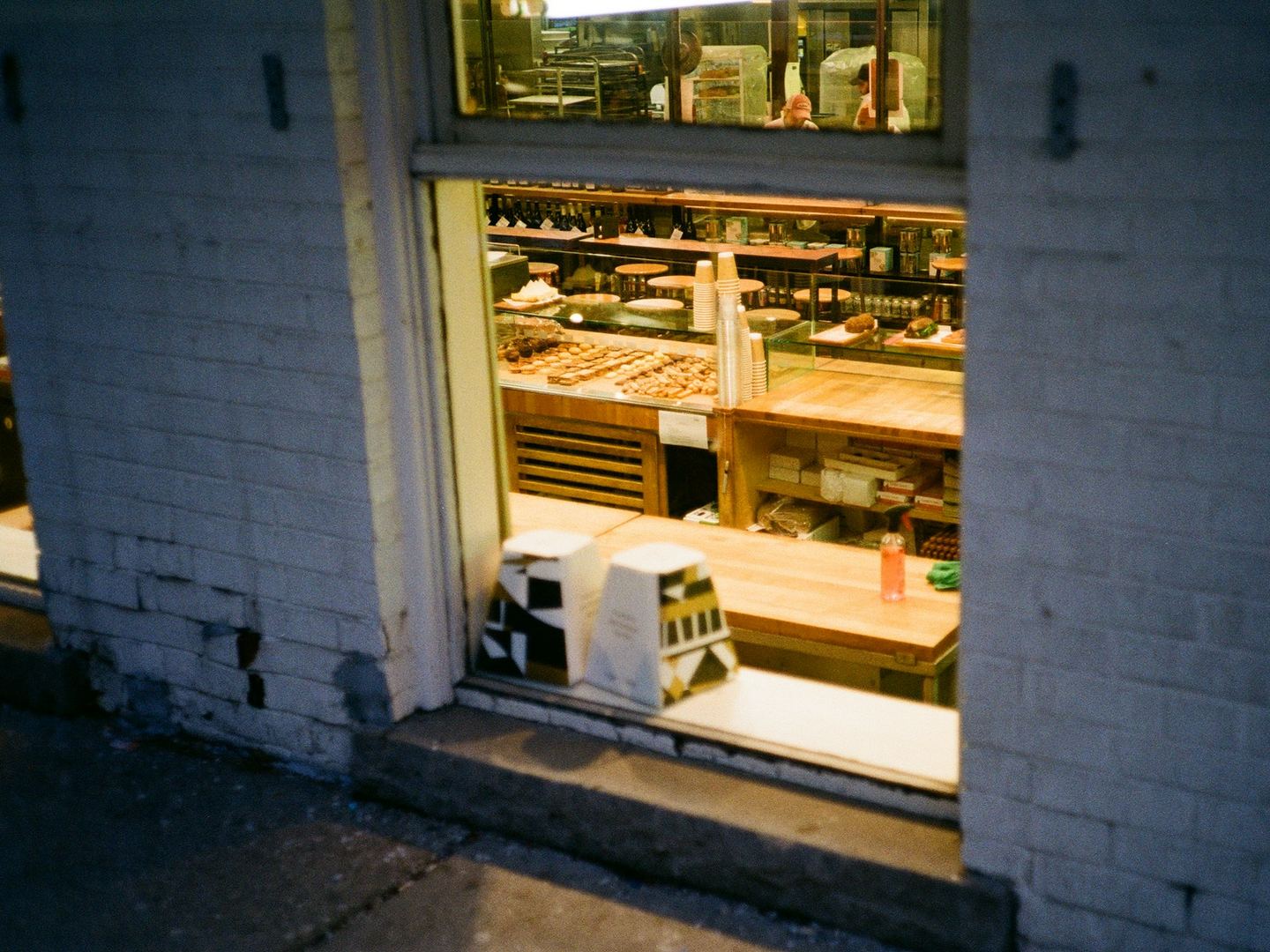
- 49 Shop The shop The oldest paid consultation in the trade and the one the manuals were written for, since the men who wrote them were paid by merchants. The mouth of the shop and the bright hall inside it, the counter where the shopkeeper can see who comes in, the god of wealth on the side wall, the path that winds and the strip inside the door that nobody sees, what the shopping research counted with a stopwatch, and the difference between arranging a room and promising a profit. 13 min
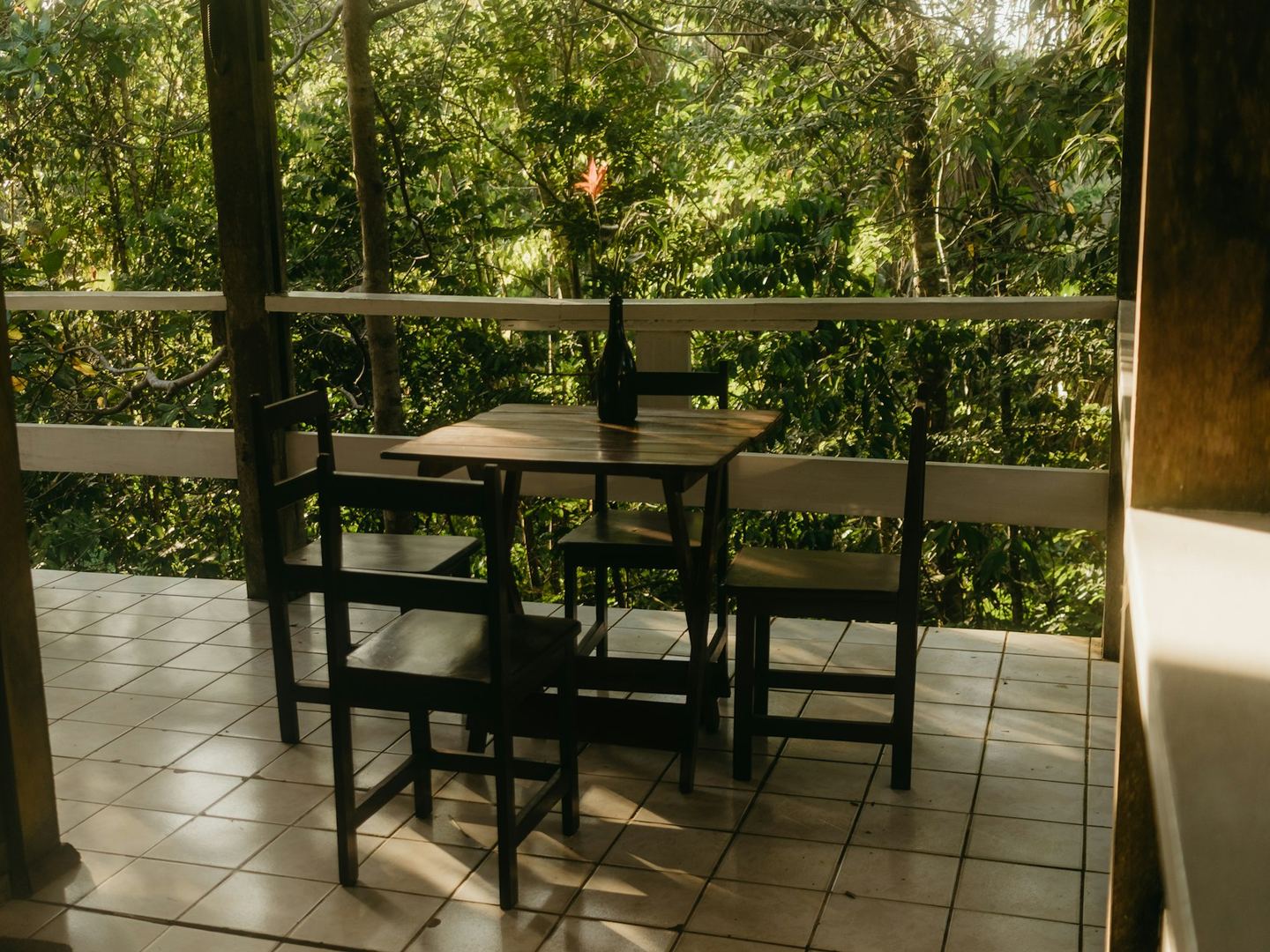
- 50 Balcony The balcony The only outdoor room most people have, and the one the classical manuals never wrote a chapter on. What the veranda and the five-foot way of the old houses were for, the depth below which a balcony is a shelf and not a room, the rail read as a wall and the void read as the missing tortoise, how much of the view to keep and how much to plant out, and the question every balcony eventually faces, which is whether to glaze it in. 12 min
- 51 Guest room The guest room The last room in the house nobody has written about, and the only one arranged for a person who does not live there. What the compound did with a guest and why it was not a bedroom, the spare room that becomes the store and what that costs the household that owns it, what a stranger needs in a room that a household never notices it has, where the bed goes when the room is also a study, and the two nights a year the room is actually for. 12 min