Rooms · the house as a gradient
From the door to the pillow.
The tradition reads a house as a slope, not a list. The entrance is yang: bright, public, in motion. The bedroom is the far end of it: dark, private, still. Every other room sits somewhere between, and what you should do in each follows from where it sits.
-
The outside
Approach
Garden, balcony and approach: the ground the tradition was written for, at the scale of a plot.
The tradition asks for Solid behind, open in front, a path that curves

-
Entrance
Arrive
The mouth of qi: the door through which everything, including you, comes in.
The tradition asks for Clear floor, light on arrival
-
Hallways and stairs
Move
The parts of a house nobody lives in, through which everything passes. The tradition reads them as rivers.
The tradition asks for A stair that turns, light at the end
-
Kitchen
Cook
Fire and Water in one room, a metre apart. The tradition’s most literal problem.
The tradition asks for Fire kept clean, and kept from water
-
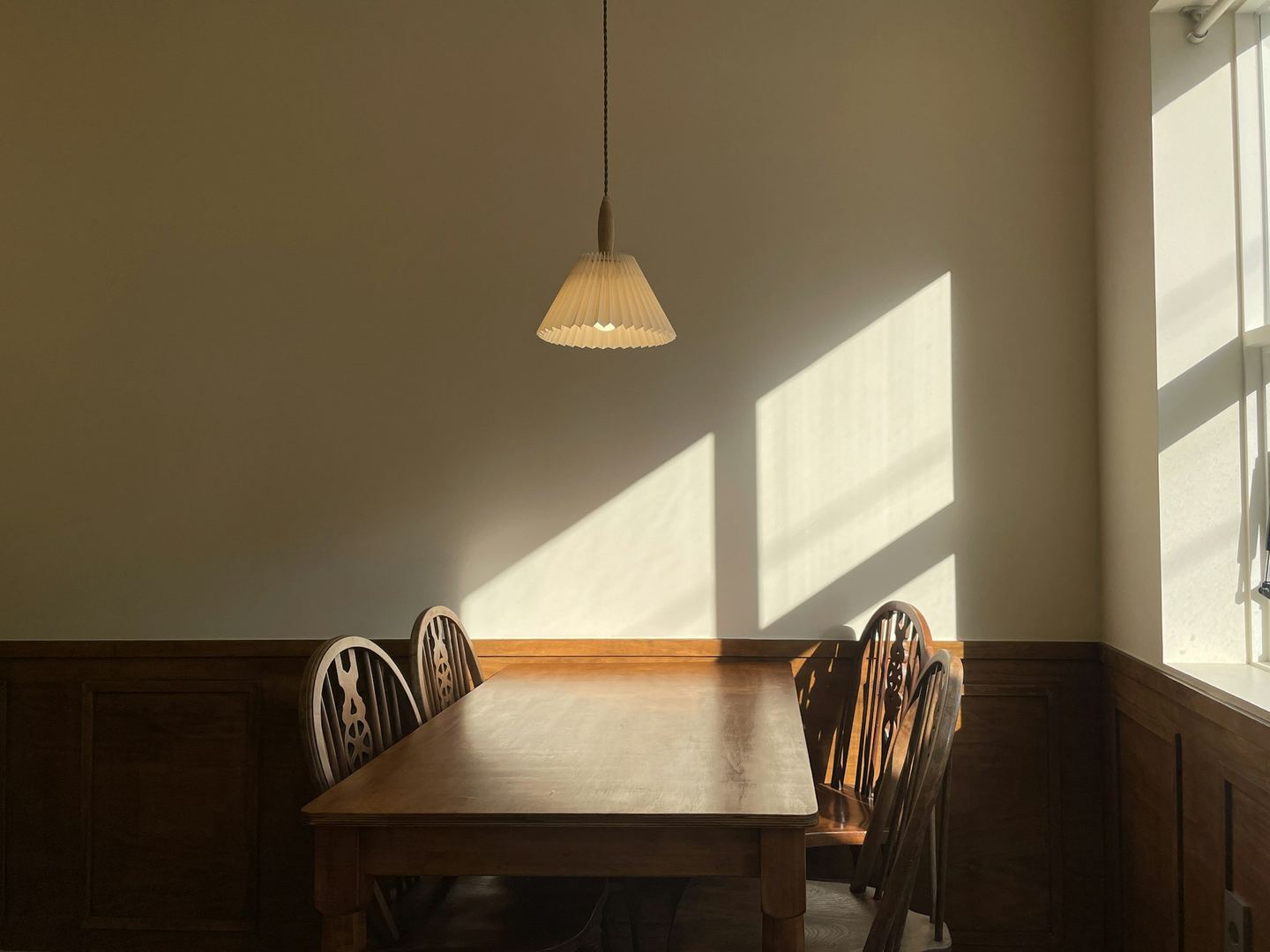
Dining room
Eat
A table is a small plan of the household. The tradition wants it round, and the host’s back covered.
The tradition asks for A round table, the host’s back to the wall
-
Living room
Gather
The room with the most people and the most light. Its centre is the centre of the house.
The tradition asks for Seats with their backs covered
-
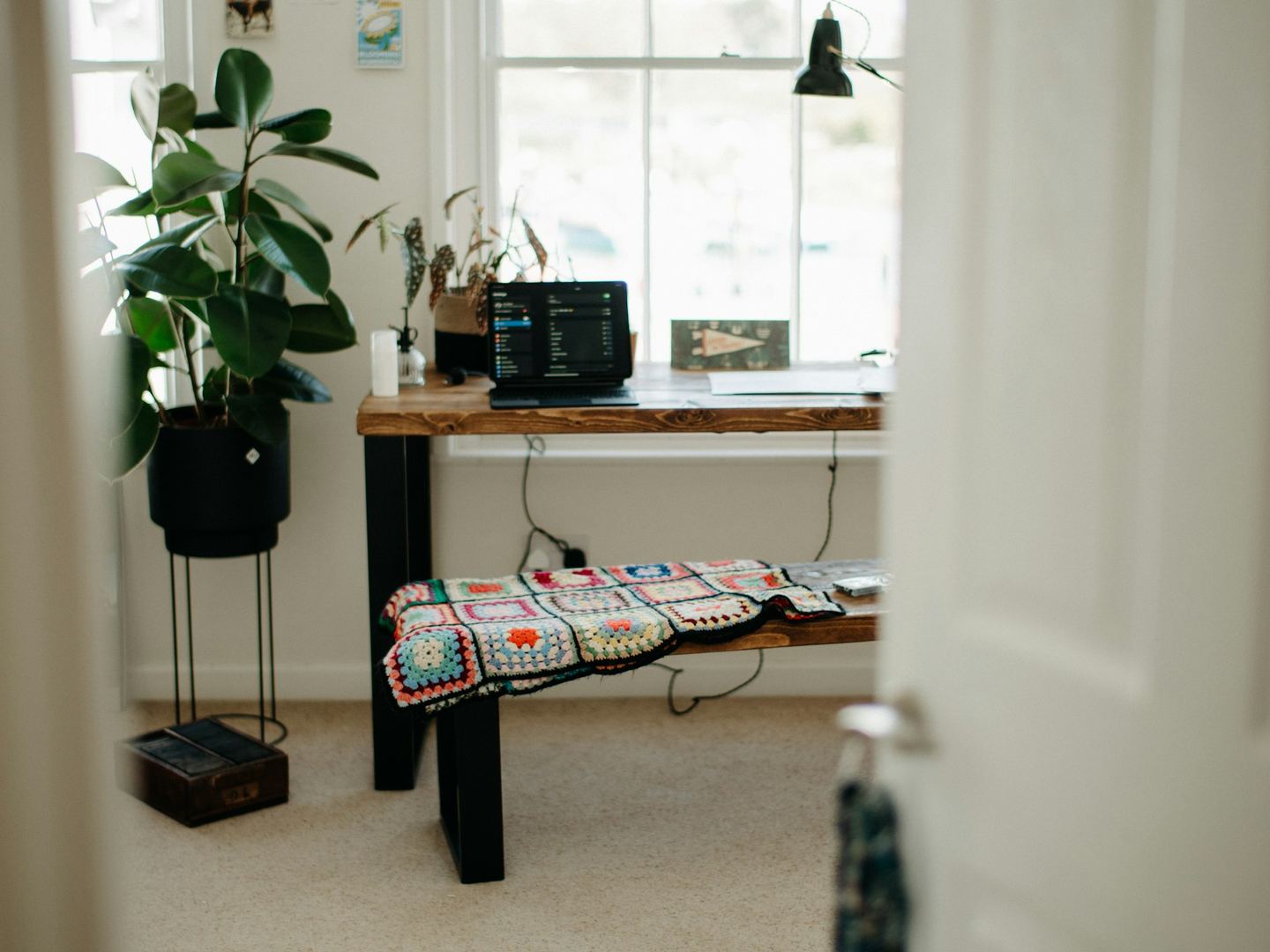
Home office
Work
A desk is a small architecture. Where it faces decides how the day feels.
The tradition asks for Steady light, a wall behind, the door in view
-
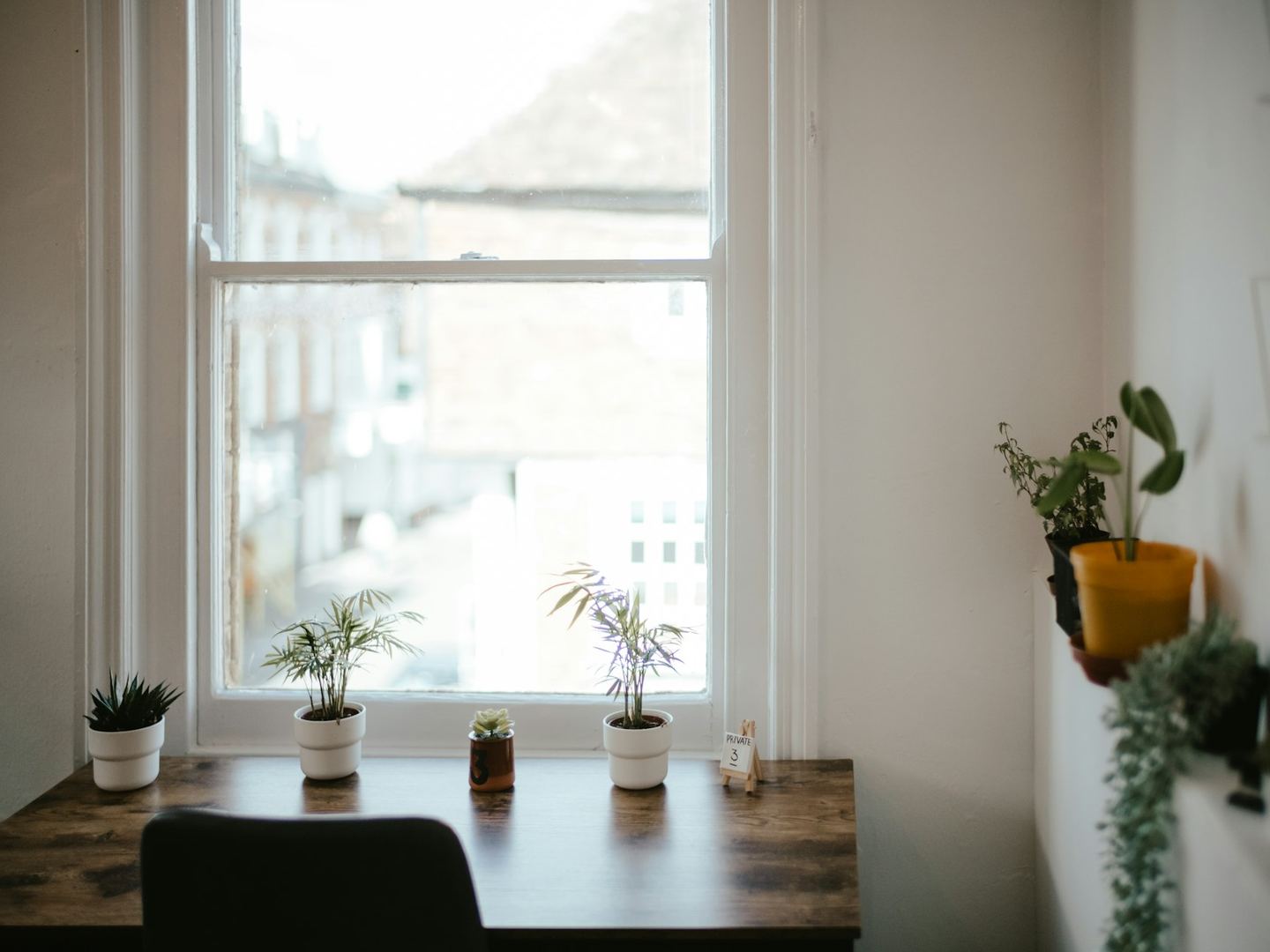
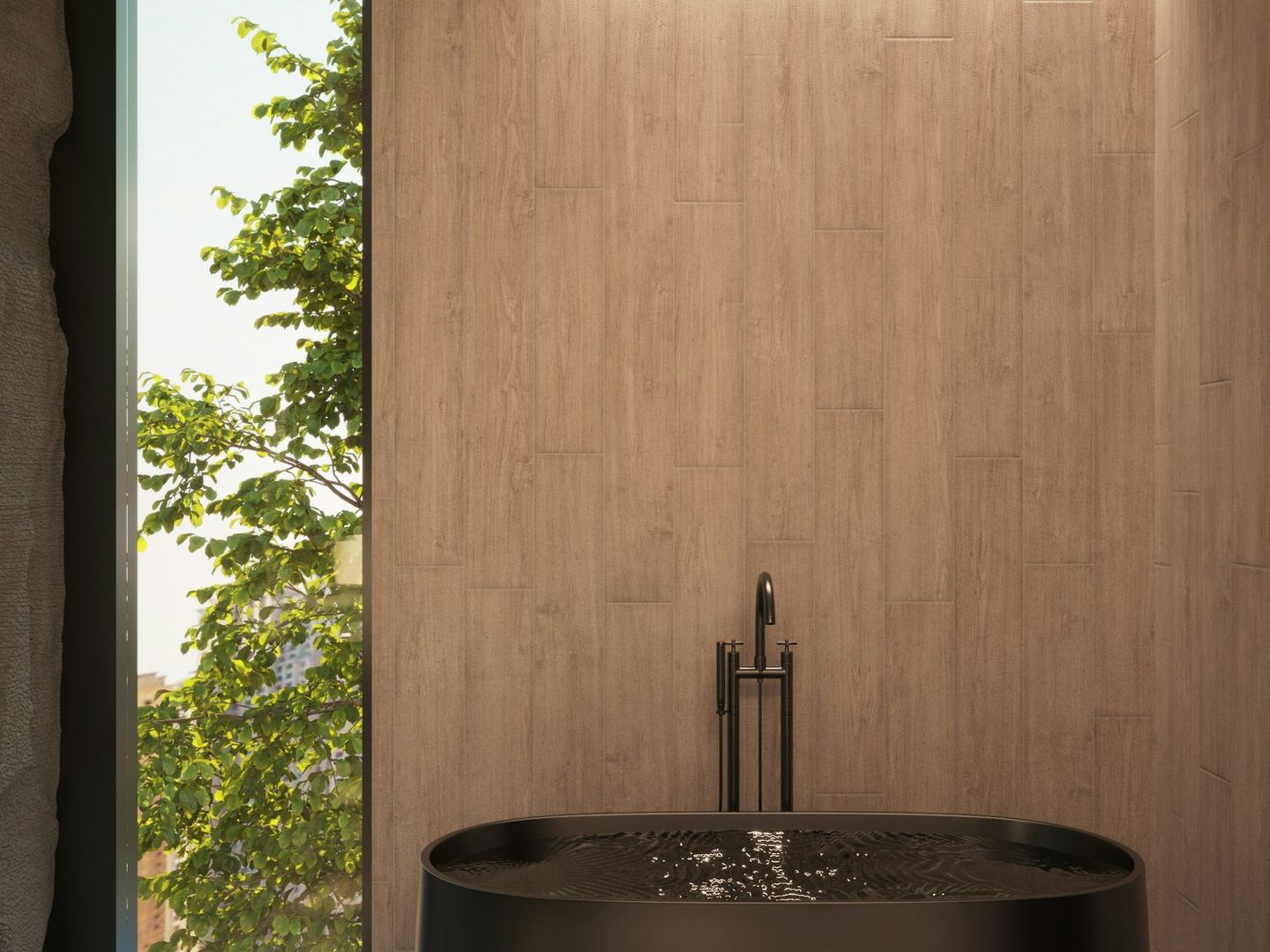
Bathroom
Wash
The room the classical house did not have. What the tradition made of it when it arrived.
The tradition asks for Closed, dry, out of the door’s line
-
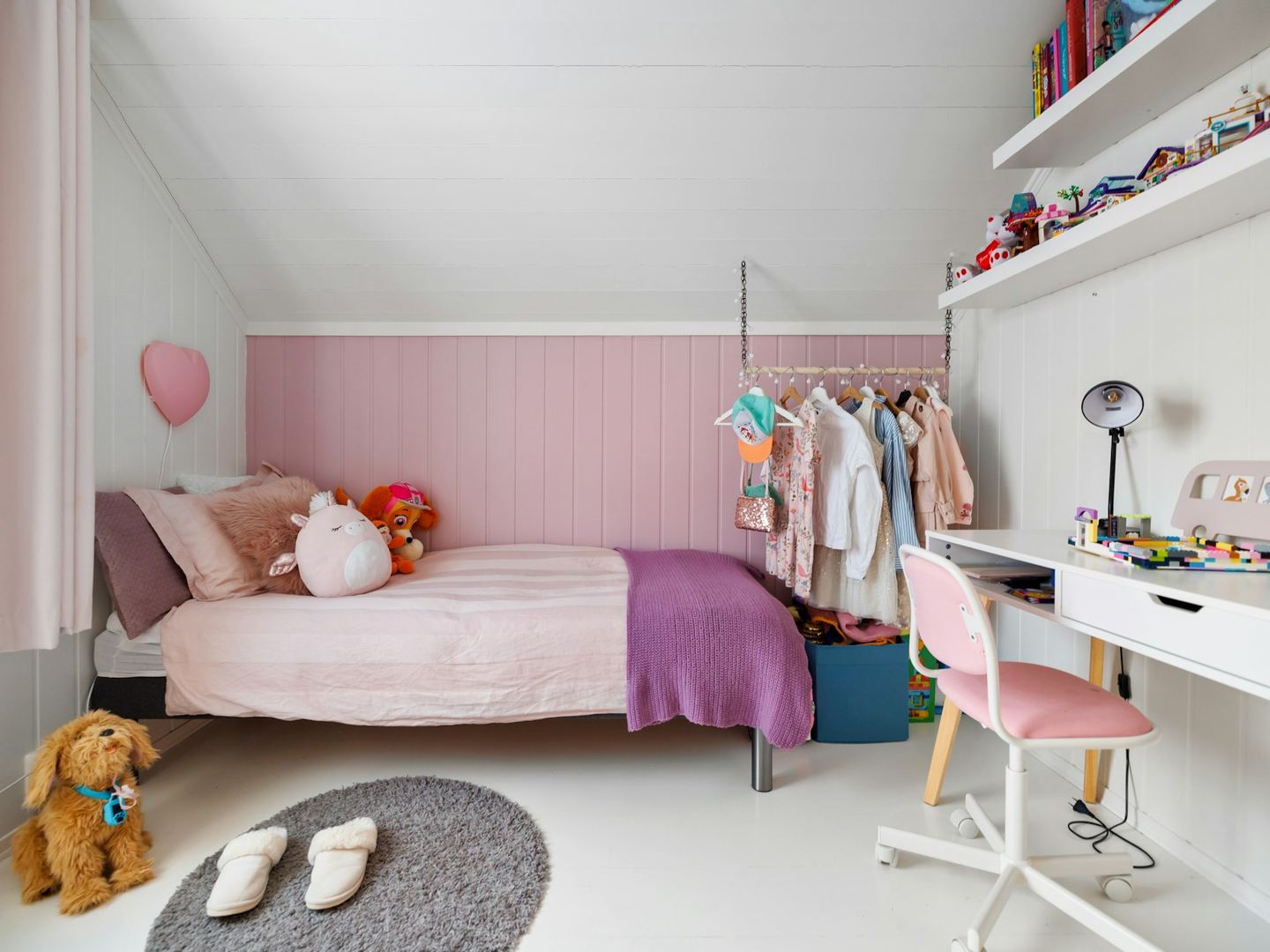
Children’s room
Grow
A bedroom that is also a workroom and a playroom, for someone who is still changing.
The tradition asks for A bed in command, floor kept open
-
Bedroom
Rest
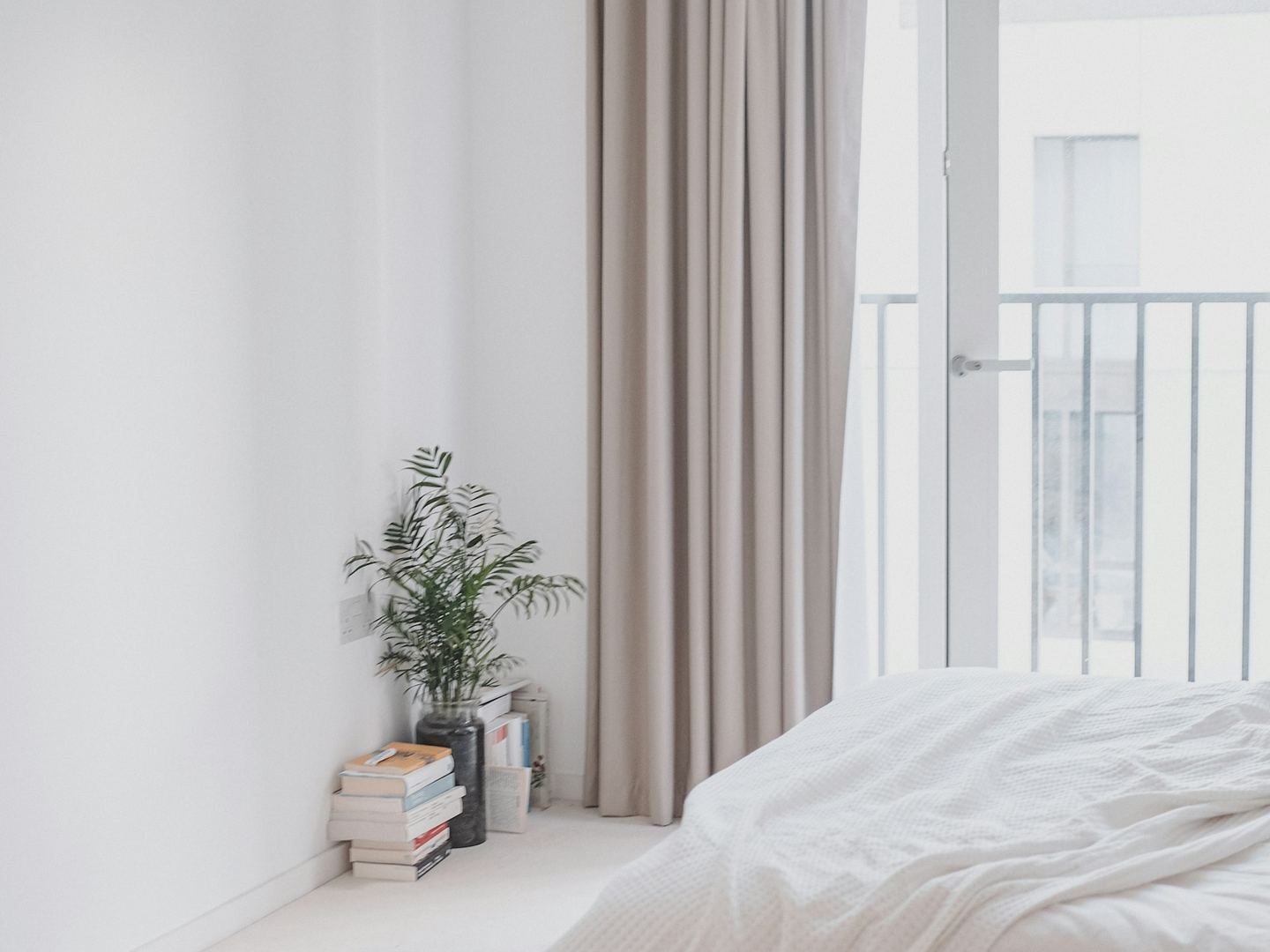
Where the body is unguarded for a third of its life. The room the tradition cares about most.
The tradition asks for Dark, cool, quiet, enclosed


The gradient, in one sentence
A room that tries to be both ends of the house does neither well.